

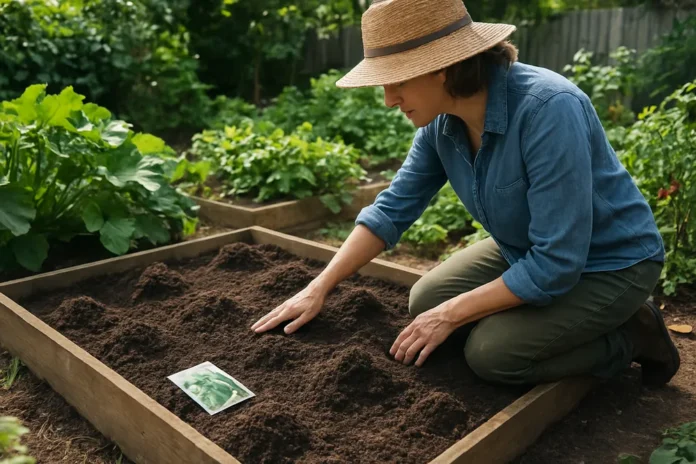
Zucchini seeds usually fail to germinate because the soil is too cold, too wet, too dry, or the seeds were planted too deeply or lost viability. Poor soil texture and seed rot can also stop sprouts before they ever reach the surface.
Few garden problems are more frustrating than planting zucchini, waiting for that fast summer burst of growth, and seeing nothing happen. Since zucchini seeds normally germinate quickly in warm conditions, a silent row or empty hill usually means something in the planting setup is working against them.
In my experience, the issue is rarely mysterious. Most failed germination comes down to a handful of common causes: cool soil, inconsistent moisture, planting depth, crusted soil, or old seed. The good news is that once you know what to look for, zucchini not germinating is usually one of the easier vegetable problems to fix.
This guide will help you sort out the likely causes, tell the difference between delay and failure, and replant in a way that gives zucchini the warm, loose, steady conditions it likes best.
What Normal Zucchini Germination Should Look Like
Zucchini is usually one of the quickest and easiest summer squash crops to sprout. In warm soil, seeds often germinate in about 4 to 10 days. If conditions are ideal, sometimes they pop even sooner. That fast timeline is helpful because it means long delays often point to a real issue rather than simple impatience.
The most important factor is soil temperature. Zucchini wants genuinely warm ground, not just a warm afternoon. Air temperatures may feel pleasant to you, but if the soil is still cool from spring nights, the seeds can sit dormant for a long time or start to rot before they sprout.
- Expected germination window: about 4 to 10 days in warm soil
- Best soil temperature for sprouting: roughly 70 to 95 F
- Slow or poor germination is common when soil is below about 60 F
- Seedlings should push up strongly rather than struggle for many days under the surface
When I troubleshoot squash germination, I pay more attention to soil warmth than calendar date. I have seen zucchini planted two weeks later in truly warm soil outgrow earlier sowings that sat in chilly ground and never got a clean start.
The Most Common Reasons Zucchini Seeds Do Not Sprout
Soil Is Too Cold
Cold soil is the leading cause of delayed zucchini germination. Seeds need warmth to activate the internal processes that produce a root and shoot. In cool ground, they may remain dormant for too long, then succumb to rot or fungal decay. This is especially common in raised beds or garden rows planted after one warm weekend but before nights have reliably warmed.
Soil Stayed Too Wet
Zucchini seeds need moisture, but they also need oxygen. In soggy soil, air spaces fill with water and the seed can suffocate or rot before it sprouts. Heavy clay, overwatering, frequent rain, or low spots in the bed can all create the kind of saturated conditions that ruin squash seed.
Soil Dried Out After Planting
On the other side of the moisture problem, seeds that start to absorb water and then dry out can fail as well. This often happens when the top inch of soil gets crusty or when gardeners water lightly instead of deeply. The seed coat softens, the embryo begins waking up, and then the process stalls.
Seeds Were Planted Too Deep
Zucchini seeds are fairly large, so they can handle a bit more depth than tiny seeds like lettuce. Still, if they are buried too deeply, they may use up their stored energy before reaching the surface. A common sweet spot is around 1 inch deep, depending on soil texture.
Soil Is Crusted or Compacted
Sometimes the seed germinates just fine but the seedling cannot break through the surface. This is common after hard rain, in heavy clay, or where the bed was tamped down too firmly. You may dig gently and find a pale, bent sprout trapped below a hard cap of soil.
Seed Was Old or Poorly Stored
Zucchini seed does not last forever. Even if the packet is only a couple of seasons old, poor storage can reduce viability. Heat, humidity, and repeated temperature swings all shorten seed life. If the seed absorbed moisture in storage, it may no longer have the strength to sprout well.
Pests or Decay Got to the Seed
Less often, buried pests may eat the seed before it sprouts, or soil pathogens may cause it to soften and collapse. In cool, wet conditions, seed rot and damping-off organisms become much more likely. The problem usually starts below ground before you ever see green growth.
How to Tell Which Problem You Are Dealing With
A simple inspection can tell you a lot. If it has been well past the expected germination window, dig carefully where you planted one or two seeds. Use your fingers or a plant label so you do not slice into the seed. What you find will usually point to the cause.
- Seed is firm and unchanged: it may have been too cold and stayed dormant
- Seed is swollen but not sprouted: moisture reached it, but temperature or oxygen may have been wrong
- Seed is soft, mushy, or smells bad: rot from overly wet or cold conditions is likely
- A sprout is present but curled below the surface: crusted or compacted soil may have trapped it
- Seed looks dry and shriveled: the planting zone likely dried out too much
- Seed is missing or partially eaten: insects, rodents, or other pests may be involved
Also consider the pattern in the bed. If every planting spot failed, the issue is probably environmental, such as cold soil or widespread overwatering. If only a few spots failed, seed quality, localized soil compaction, or pest damage becomes more likely.
I like to sacrifice one planting spot early rather than wait another week in frustration. Digging up a single seed can save you from losing prime planting time, especially with fast summer crops that should already be moving.
Weather and Timing Problems That Affect Zucchini Seeds
Zucchini is a heat-loving crop, and gardeners often plant it too early because the seeds are large and the plant seems vigorous. But vigor comes after warm establishment, not before it. A surprise cold snap, cool night temperatures, or extended spring rain can undo an otherwise reasonable planting.
Even when the daytime forecast looks fine, nighttime soil temperatures matter more than many people realize. Soil warms and cools more slowly than air, so a few sunny afternoons may not be enough to create reliable germination conditions. Dark mulch, black plastic, or a few extra days of waiting can make a noticeable difference.
- Early spring sowing into cool ground slows or stops germination
- Cold rain can keep the seed zone wet and chilly for too long
- Planting before the soil has stabilized leads to patchy emergence
- Warm-season seeds do better after the garden has fully shifted out of spring mode
If you are in a cooler part of the U.S., direct sowing may work best a bit later than you first expect. In hot regions, timing can still matter because heavy spring storms can saturate beds and compact the surface just enough to interfere with emergence.
Soil Mistakes That Stop Seedlings Before They Emerge
Good germination depends on more than just temperature. The planting medium needs to be loose enough for roots and shoots to move through it, moist enough to keep the seed active, and airy enough to prevent rot. Zucchini does not need fancy soil, but it does need a reasonable balance.
Heavy Clay and Poor Drainage
Clay soil tends to hold water and seal over at the surface, which is a bad combination for squash seed. If your bed puddles after rain or stays tacky for days, the seed zone may be too wet for healthy germination. In these conditions, raised mounds or amended beds often perform better than flat planting.
Overworked or Compressed Soil
Pressing the soil too firmly after planting can make it harder for the seedling to emerge. Gardeners sometimes do this without realizing it, especially when trying to tidy the row. The goal is good seed-to-soil contact, not packed earth.
Crusting After Rain or Irrigation
A hard surface crust can trap seedlings underground. This is one of the more overlooked causes because the seed technically germinated, yet the row still looks empty. You may notice little humps under the soil or tiny seedlings that snap when trying to push through.
Fresh Manure or Overly Hot Compost
Very fresh organic matter can create unstable conditions around seed, including excess salts, uneven moisture, or microbial heat. Well-finished compost is usually fine, but half-broken-down material is better incorporated earlier, not right where seeds need a steady start.
When the Seed Itself Is the Problem
Not every failure comes from the garden bed. Sometimes the seed lot simply has poor vigor. This is more likely if the packet is old, was stored in a humid shed, or came from a source with inconsistent quality control.
Zucchini seed can remain viable for several years under excellent storage, but viability and vigor are not the same thing. A seed may technically still germinate, yet do so weakly, slowly, or unevenly. That matters a lot for direct-sown crops, where the seedling has to push through real soil rather than a pampered potting mix.
- Packets stored in heat lose germination power faster
- Humidity can trigger slow deterioration even if the seeds look normal
- Older seeds may sprout unevenly, leading to patchy stands
- Home-saved seed can perform well, but only if it was fully mature and kept dry
If I have any doubts about seed age, I sow a little thicker or test a few indoors first. Squash should feel easy at planting time, and when it does not, questionable seed is one of the first things I suspect.
How to Replant Zucchini for Better Germination
Once you identify the likely cause, replanting is usually straightforward. Zucchini grows quickly enough that a fresh sowing often catches up fast, especially if the weather has improved. Focus on giving the seed a warm, loose, evenly moist environment from the start.
- Wait until the soil is reliably warm, ideally at least around 70 F for fastest sprouting.
- Loosen the planting area so seedlings can emerge easily.
- Plant seeds about 1 inch deep in most garden soils.
- Water the bed thoroughly after planting so moisture reaches the full seed zone.
- Keep the soil consistently moist but not saturated while you wait for emergence.
- If the surface tends to crust, use a light mulch or a finer-textured top layer to soften the impact of rain and irrigation.
- Plant two or three seeds per spot if you want insurance, then thin to the strongest seedling later.
For gardeners with stubborn spring soils, planting on a small mound or in a raised bed can improve drainage and warm the root zone faster. If your weather is erratic, a temporary row cover can also help maintain warmth, though it should not trap excessive moisture in already wet ground.
Direct Sowing Versus Starting Zucchini Indoors
Because zucchini grows so quickly, many gardeners prefer direct sowing. It usually works well once the soil is warm. But if you keep missing the weather window, starting seeds indoors can help you avoid cold, wet garden soil during the most vulnerable stage.
The tradeoff is transplant sensitivity. Squash does not love root disturbance, so indoor starts should be handled gently and planted young. Biodegradable pots or larger cells can reduce transplant shock, but they are most useful when the outdoor bed is still lagging behind ideal conditions.
- Direct sow if your soil is warm and reasonably well drained
- Start indoors if spring weather is staying too cold or wet
- Transplant while seedlings are still small to reduce setback
- Avoid keeping indoor starts too long, since leggy squash seedlings transplant poorly
How to Prevent Germination Problems Next Time
Prevention is mostly about patience and setup. Zucchini is not a fussy crop once it gets going, but it does ask for a warm launch. When gardeners match sowing time to soil conditions, failures become much less common.
- Use fresh seed from a reliable source
- Store extra seed in a cool, dry place
- Wait for warm soil instead of planting by calendar alone
- Improve drainage before sowing if your bed stays wet after rain
- Water deeply but avoid constant saturation
- Do not bury the seed too deeply
- Break up crusted surfaces gently after hard rain if seedlings are trying to emerge
I also find it helpful to think of zucchini as a crop for settled weather, not hopeful weather. Once the garden has real summer energy, germination tends to be quick and drama-free.
FAQ
How Long Should I Wait for Zucchini Seeds to Germinate?
In warm soil, zucchini often germinates in 4 to 10 days. If it has been longer than that and conditions were not ideal, the seeds may still be delayed, but after about two weeks it is worth checking a seed to see what happened.
Will Zucchini Seeds Germinate in Cool Spring Soil?
They may, but they are much slower and more likely to rot. Zucchini is a warm-season crop, so cool soil often leads to weak, uneven, or failed emergence.
Can I Water Too Much While Waiting for Seeds to Sprout?
Yes. Constantly soggy soil deprives the seed of oxygen and encourages rot. The goal is evenly moist soil, not muddy or saturated soil.
What Happens if I Plant Zucchini Seeds Too Deep?
A deeply buried seed may germinate but fail to reach the surface before running out of stored energy. Around 1 inch deep is a good general planting depth for most garden soils.
Should I Dig Up Seeds That Have Not Come Up Yet?
If the expected germination window has passed, checking one or two seeds can be very useful. Dig gently so you can see whether the seed is firm, rotted, dried out, or already sprouted below the surface.
Can Heavy Rain Stop Zucchini From Sprouting?
Yes. Heavy rain can cool the soil, oversaturate the seed zone, and create a crust on the surface. Any of those conditions can interfere with germination or trap seedlings underground.
Are Old Zucchini Seeds Still Usable?
Sometimes, especially if they were stored well. But older seed often has lower vigor, which can lead to patchy germination and weaker seedlings, even if some seeds still sprout.
Want better squash harvests from the start? Read our guide to the best zucchini fertilizers, seed-starting supplies, and pest prevention tools so your next planting gets off to a faster, stronger start.
