

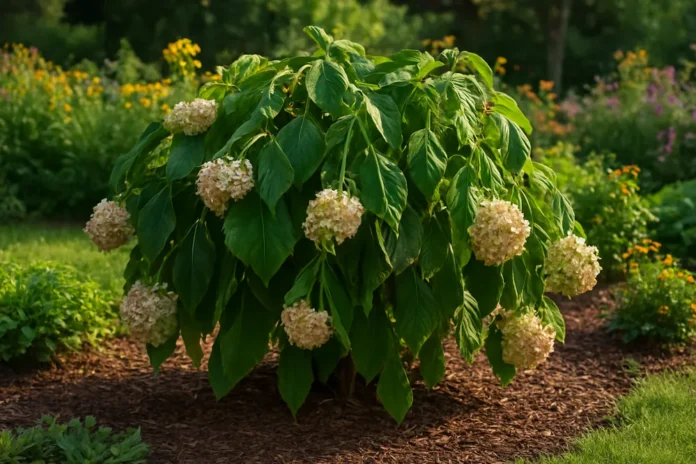
A drooping hydrangea is usually reacting to water stress, intense heat, root disturbance, or stem damage. Some hydrangeas also wilt temporarily in hot afternoon sun even when they are otherwise healthy.
Seeing a hydrangea drooping can be alarming because the change often happens fast. One day the plant looks full and sturdy, and the next it seems limp, thirsty, or half-collapsed. The good news is that drooping is a symptom, not a diagnosis. Hydrangeas droop for a handful of common reasons, and the pattern of wilting usually tells you a lot.
In my garden, I do not treat every wilted hydrangea the same way. A plant that flops only in late afternoon heat needs a different response than one that stays limp morning to night, or one with blackened stems after a storm. Once you know whether the issue is temporary heat wilt, poor watering, root stress, or physical damage, it gets much easier to help your hydrangea recover.
What Normal Drooping Looks Like Versus a Real Problem
Hydrangeas, especially bigleaf and smooth hydrangeas, can look dramatic in summer heat. Their large leaves lose moisture quickly, so they may droop in the afternoon even when the soil still has enough moisture. If the plant perks back up by evening or early morning, that is often a temporary response to heat rather than a serious health issue.
A real problem usually looks different. The plant may stay wilted through the night, the soil may be bone dry or soggy, leaves may turn yellow or brown, or individual stems may collapse while others remain firm. Flowers can also hang lower than usual when the plant is stressed, but flower weight by itself is not always a sign of trouble.
- Temporary heat wilt: leaves droop during the hottest part of the day, then recover after temperatures drop.
- Underwatering: the whole plant or large sections stay limp, and the soil feels dry several inches down.
- Overwatering or root stress: leaves droop even though the soil feels wet, and yellowing often follows.
- Stem damage: only one or a few shoots wilt suddenly while the rest of the shrub looks normal.
When I am judging a drooping hydrangea, I look at it early in the morning before the day heats up. If it is still limp at sunrise, I treat that as a real stress signal rather than normal afternoon wilt.
Water Stress Is the Most Common Cause
Underwatering and Dry Soil
Hydrangeas need steady moisture, and their broad leaves make them quick to show thirst. When the root zone dries out too much, the leaves and blooms lose turgor pressure and sag. This is especially common during hot spells, in sandy soil, under trees, or when a newer planting has not yet rooted deeply.
Dry-soil drooping usually affects most of the plant at once. The leaves may feel thin or papery, and the top few inches of soil may pull away from the sides of the planting hole. If the plant perks up fairly quickly after a deep watering, lack of moisture was likely the main issue.
Overwatering and Waterlogged Roots
It surprises many gardeners, but overwatered hydrangeas can droop too. Roots need oxygen as much as they need water. In heavy clay, poorly drained beds, or containers without good drainage, constantly wet soil can suffocate roots. Once roots are stressed, the plant cannot move water properly, so it wilts even while sitting in wet ground.
This kind of drooping tends to last longer and often comes with yellowing leaves, mushy lower stems, or a stale, swampy smell in the soil. If you keep adding more water because the plant looks wilted, you can accidentally make the problem worse.
- Signs of underwatering: dry soil, crisp leaf edges, rapid improvement after soaking, drooping during hot weather.
- Signs of overwatering: wet soil for days, yellowing leaves, limp growth that does not rebound, possible root rot smell.
- High-risk situations: newly planted hydrangeas, container plants, clay soil, hot reflected heat, and beds under thirsty tree roots.
If the plant is drooping and you are unsure whether to water, do not guess from the surface alone. I push my finger several inches into the soil or use a trowel to check the root zone, because the top inch can dry fast while deeper soil stays wet.
Heat, Sun Exposure, and Wind Can Make Hydrangeas Collapse Temporarily
Hydrangeas often struggle in strong afternoon sun, especially in hotter parts of the U.S. Their leaves are large and soft, so they lose water faster than the roots can replace it during extreme heat. Even a well-watered plant can look wilted for several hours when temperatures spike.
Hot wind makes this worse by increasing moisture loss from leaves. You may also see drooping after a sudden weather change, such as the first heat wave of summer, when the plant has not fully adjusted yet. Bigleaf hydrangeas are especially prone to this kind of midday drama.
When Sun Stress Is the Main Culprit
Plants exposed to intense western sun often droop most on the side facing that heat. Flowers may scorch, leaves may develop brown edges, and recovery usually happens after sunset if roots are healthy. This pattern is very different from a plant that remains limp all day and all night.
- Afternoon wilt with morning recovery points strongly to heat stress.
- Crisped leaf margins often mean heat and sun are part of the problem.
- Hydrangeas planted near brick walls, driveways, or patios dry out faster due to reflected heat.
- Windy sites can cause extra wilting even when temperatures are moderate.
If your hydrangea droops only during the hottest hours but otherwise grows, blooms, and recovers normally, it may simply be planted in a spot that is a bit too intense for its variety. Morning sun with afternoon shade is usually a much easier setting for most hydrangeas.
Transplant Shock, Root Damage, and Container Stress
A hydrangea that was planted recently often droops because its roots are not yet established in the surrounding soil. Transplanting disturbs fine feeder roots, and those are the roots that handle most water uptake. Until they regrow, the top of the plant may wilt easily, especially in warm weather.
Container hydrangeas are even more vulnerable. Pots heat up faster, dry faster, and can also stay too wet if drainage is poor. Roots circling tightly inside a nursery pot may struggle after planting if they were not loosened enough. In severe cases, water runs around the root ball rather than soaking into it.
Common Root-related Triggers
- Planting during hot weather
- Damaged or broken roots during transplanting
- Root-bound plants that were not loosened before planting
- A dry root ball surrounded by moist garden soil
- Containers that dry out within a day
- Pots without enough drainage holes
Transplant shock can make a hydrangea look worse before it looks better. Leaves may hang limp, some may drop, and blooms may fade early. That does not always mean the plant is dying. It often means the roots need time, stable moisture, and protection from excess heat while they settle in.
Newly planted hydrangeas fool gardeners all the time because the surrounding bed may look moist while the original root ball stays dry. If I suspect that, I water slowly right over the root ball instead of soaking only the soil around it.
Drooping Caused by Disease, Root Rot, or Stem Injury
Not every drooping hydrangea has a simple watering issue. Fungal root rot, bacterial problems, and stem injuries can all interrupt the plant's ability to move water. In those cases, the leaves wilt because the plumbing is failing, not because the soil is necessarily too dry.
Root Rot and Crown Problems
Root rot is more likely in heavy, saturated soil or areas with poor drainage. Affected hydrangeas may droop despite frequent watering, and the foliage can turn dull yellow before browning. Growth slows, the plant may decline gradually, and roots may look dark and soft instead of pale and firm.
Broken, Girdled, or Damaged Stems
If only one cane or a few stems wilt suddenly, inspect them closely. Stems can crack in storms, get bent under heavy flower heads, suffer winter injury, or be chewed by pets and wildlife. A single damaged stem may still carry leaves for a short time, then droop once water movement is interrupted.
Leaf Diseases Are Usually Secondary
Common leaf spots and mildew can make a hydrangea look rough, but they do not usually cause severe whole-plant drooping by themselves. If the plant is truly collapsing, I look first at roots, soil moisture, heat exposure, or physical stem damage before blaming leaf disease.
- Whole plant drooping in wet soil suggests root trouble.
- One stem wilting while others stay upright suggests physical damage or stem disease.
- Blackened, mushy, or split stems should be pruned out.
- A sour smell and soft roots point toward rot rather than drought.
How to Help a Drooping Hydrangea Recover
The right fix depends on the cause, but the overall goal is simple: reduce stress while restoring the plant's ability to move water normally. Hydrangeas often recover well if you respond early and avoid overcorrecting.
If the Soil Is Too Dry
Water deeply and slowly so moisture reaches the root zone instead of running off the surface. A long soak is much better than frequent light sprinkling. Mulch can also help stabilize soil moisture and keep roots cooler, but keep it a few inches away from the stems.
If the Soil Is Staying Too Wet
Back off watering and let the root zone breathe. Improve drainage if possible by redirecting runoff, loosening compacted surrounding soil carefully, or moving container plants into better-draining pots and mix. Avoid piling mulch thickly over already soggy soil.
If Heat Stress Is the Issue
Temporary shading during extreme heat can help recently planted hydrangeas and container plants. In the long term, a site with morning sun and afternoon shade is often ideal. Keeping the soil evenly moist, not soaked, also makes the plant more resilient during hot afternoons.
If Roots or Stems Are Damaged
Prune out clearly broken or dead stems with clean cuts. For transplant shock, focus on steady care rather than fertilizer. A stressed hydrangea usually does better with moisture consistency and reduced heat load than with a burst of feeding.
- Check the soil several inches deep before watering.
- Water deeply if the root zone is dry.
- Pause watering if the soil is wet and drainage is poor.
- Protect the plant from harsh afternoon sun during heat waves.
- Remove damaged stems and spent, collapsing blooms if they are weighing the plant down.
- Watch new growth over the next couple of weeks, because recovery shows up there first.
I try not to change three things at once with a stressed hydrangea. If you water more, fertilize, prune hard, and move the plant all in the same week, it becomes much harder to tell what actually helped and what added stress.
How to Prevent Drooping in the Future
Prevention is mostly about matching the hydrangea to the site and keeping root conditions consistent. Hydrangeas are not the toughest shrubs for hot, exposed spots, but they perform beautifully when their moisture and light needs are met.
- Plant in a location with morning sun and afternoon shade when possible.
- Use organic mulch to moderate soil temperature and reduce moisture loss.
- Water deeply during dry spells rather than giving frequent shallow drinks.
- Make sure container plants have excellent drainage and are checked often in summer.
- Avoid planting too close to large trees that compete heavily for water.
- Choose varieties suited to your climate, especially if you garden in hot southern or inland areas.
It also helps to learn your plant's normal behavior. Some hydrangeas will always look a little tired at 4 p.m. in July, even when they are healthy. Once you know that pattern, you can focus on signs that truly matter, like overnight wilting, soggy roots, yellowing leaves, or stems that collapse one by one.
FAQ
Should I Water My Hydrangea Every Day if It Is Drooping?
Not automatically. Daily watering can help in very hot weather or for container plants, but many drooping hydrangeas are actually overwatered. Check the root zone first and water based on how dry the soil is, not just how limp the leaves look.
Why Does My Hydrangea Droop During the Day but Recover at Night?
That pattern usually points to heat stress or temporary moisture loss from the leaves during hot afternoons. It is common in large-leaved hydrangeas, especially in strong sun, and is less concerning if the plant is upright again by morning.
Can Too Much Sun Make a Hydrangea Wilt?
Yes. Too much direct afternoon sun can make leaves and blooms droop quickly, even when the plant has been watered. Repeated sun stress can also lead to scorched leaf edges and shorter-lasting flowers.
Why Is Only One Branch of My Hydrangea Drooping?
A single drooping branch often means that stem is cracked, broken, diseased, or otherwise damaged. Inspect it closely near the base and along the stem for splits, dark lesions, or bends.
Will a Drooping Hydrangea Come Back?
Often, yes. Hydrangeas usually recover well from temporary drought, transplant shock, or heat wilt once the stress is corrected. Recovery is less certain when root rot or severe stem damage is involved, but even then the plant may regrow if healthy roots remain.
Does Mulch Help Keep Hydrangeas From Drooping?
Yes, mulch helps hold even moisture in the soil and keeps roots cooler, which can reduce wilting during hot weather. Just keep the mulch from touching the stems so the crown does not stay too damp.
Should I Fertilize a Drooping Hydrangea?
Usually not right away. If the plant is drooping from water stress, transplant shock, or root trouble, fertilizer can add more strain. It is better to solve the moisture or site problem first and feed only when the plant is actively growing again.
Need help choosing the right fix fast? Read our hydrangea care guide and recommended watering, mulch, and shade solutions to keep stressed shrubs lush and blooming.
