

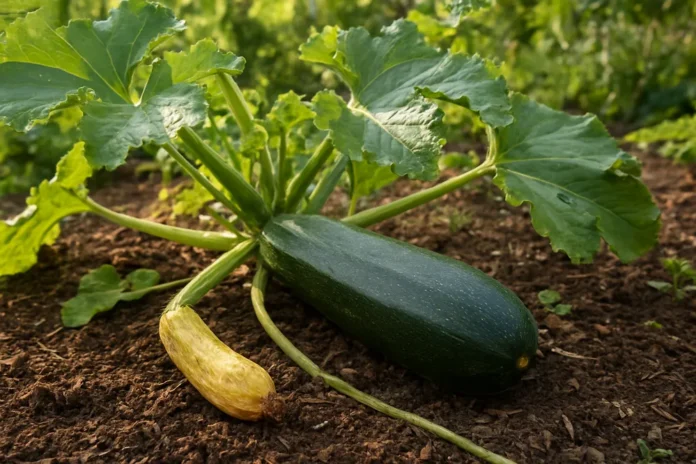
Zucchini usually rot because of blossom end rot, poor pollination, excess moisture, or fungal and bacterial disease. Sometimes the fruit also softens and decays simply because it stayed on the plant too long.
Few garden problems are more frustrating than watching zucchini fruits start off looking healthy, only to turn soft, brown, or mushy before you can pick them. The good news is that rotting zucchini is usually not random. The way the fruit breaks down often points pretty clearly to what went wrong.
In my experience, the biggest causes are blossom end rot, incomplete pollination, wet conditions that encourage rot, and fruit that was left on the plant past its prime. Sometimes the rot starts at the blossom end. Sometimes the whole baby zucchini yellows, shrivels, and collapses. And sometimes a nearly mature squash develops a soft spot where it touched damp soil. Each pattern tells a different story.
If you look closely at where the rot starts, how old the fruit is, and what the weather has been doing, you can usually narrow it down fast. That makes it much easier to stop losing the next round of rotting zucchini.
What the Rot Pattern Usually Means
Before you treat anything, look at the fruit itself. Zucchini rot is not one single problem. A small fruit that swells a little, turns yellow, and dies is often dealing with poor pollination. A fruit with a sunken brown patch on the blossom end points more toward blossom end rot. A mature squash with a soft, watery area where it rested on mulch or soil often suggests moisture-related decay or disease.
- Tiny fruit rots soon after flowering: usually poor pollination.
- Dark, leathery, sunken area on the blossom end: often blossom end rot.
- Soft spot where the fruit touched wet soil or mulch: often contact rot from excess moisture or fungi.
- Water-soaked, fast-spreading mush with mold or bad odor: often fungal or bacterial rot.
- Large overgrown fruit turning dull, soft, or collapsing: often overmaturity and decline.
When I diagnose zucchini problems, I always compare two or three fruits of different ages. If only the very youngest fruits are failing, I think pollination first. If larger fruits are affected too, I start looking harder at watering, calcium movement, and disease pressure.
Poor Pollination Is a Very Common Cause
One of the most common reasons zucchini seem to rot is that the fruit was never properly pollinated. Zucchini plants make separate male and female flowers. If pollen does not move from the male flower to the female flower, the baby fruit may begin to enlarge, then stop, yellow, soften, and rot from the blossom end backward.
This is especially common early in the season, during very hot or rainy weather, or when pollinator activity is low. You may see lots of flowers and still lose fruit if bees are not visiting when blossoms are open. Female flowers are the ones with the tiny baby zucchini behind the bloom.
Signs Pollination Is the Main Problem
- The fruit stays small, usually just a few inches long or less.
- It turns yellow before becoming full size.
- The blossom end becomes soft first.
- The plant otherwise looks healthy and vigorous.
- You see lots of flowers but few zucchini reaching harvest size.
If this is the issue, the plant is not truly rotting from disease at first. It is aborting the fruit because seed development never got underway. The dead tissue then breaks down and looks like rot.
How to Improve Pollination
- Avoid spraying insecticides when plants are blooming.
- Grow flowers nearby that attract bees and other pollinators.
- Hand-pollinate in the morning if fruit set is poor.
- Keep plants evenly watered so flowers stay viable.
- Give plants enough spacing so bees can move through blossoms easily.
Hand pollination is simple. Pick a freshly opened male flower, remove the petals, and brush its pollen onto the center of an open female flower. You can also use a small paintbrush or cotton swab.
Blossom End Rot Can Affect Zucchini Too
Blossom end rot is best known on tomatoes and peppers, but zucchini can get it too. It usually appears as a dark, sunken patch on the blossom end of the fruit, opposite the stem. The area may start pale or tan, then turn brown or black and leathery.
This problem is related to calcium not moving properly into the developing fruit. That does not always mean your soil lacks calcium. More often, the plant is experiencing uneven watering, root stress, or overly fast growth that interferes with calcium uptake and distribution.
Why Blossom End Rot Happens
- Soil swings from very dry to very wet.
- Roots are damaged by cultivation or transplant stress.
- Heavy nitrogen feeding pushes fast, soft growth.
- Container plants dry out too quickly.
- Soil pH is far outside the range where nutrients are readily available.
Once a fruit shows blossom end rot, that fruit will not recover. The goal is to steady the plant so newer fruits develop normally.
I do not rush to add calcium sprays the moment I see blossom end rot on squash. In most home gardens, steady moisture solves more of the problem than emergency products do, especially when the plant has been cycling between dry soil and heavy watering.
How to Reduce Blossom End Rot
- Water deeply and consistently instead of in irregular bursts.
- Mulch around plants to slow evaporation and buffer soil moisture swings.
- Avoid damaging roots while weeding or cultivating.
- Use a balanced fertilizer rather than very high nitrogen products.
- Test soil if the problem repeats year after year.
Too Much Moisture Can Make Fruit Rot on the Plant
Zucchini grow fast and hold a lot of water, which makes them vulnerable when conditions stay damp. Rainy weather, overhead watering, crowded foliage, and poor air movement can all create the kind of environment where soft rot develops quickly.
Sometimes the trouble starts where the fruit touches wet soil, mulch, or a decaying blossom. The area softens first, then the damage spreads. In humid stretches, even healthy-looking plants can suddenly produce fruit with mushy spots if the canopy never dries out.
Moisture-related Warning Signs
- Soft or water-soaked areas on the fruit surface.
- White, gray, or fuzzy mold on damaged spots.
- Rot beginning where the fruit rests on the ground.
- Dense leaves that trap moisture around flowers and fruit.
- Problems showing up after long wet weather.
This type of rot is more likely in gardens where plants are packed tightly together or watered late in the day. Wet blossoms and shaded fruit stay damp longer, which gives fungi and bacteria more opportunity to move in.
How to Lower Moisture-driven Rot
- Water at the base of the plant rather than over the leaves and fruit.
- Water in the morning so surfaces dry quickly.
- Space plants generously for better airflow.
- Remove badly rotted fruit promptly so it does not spread microbes or attract pests.
- Use clean straw or another dry mulch to keep fruit off bare soil when possible.
Fungal and Bacterial Diseases Can Break Down Zucchini Fruit
If your zucchini are turning mushy, developing mold, or collapsing with a bad smell, disease may be involved. Squash fruit can be attacked by several fungal and bacterial problems, especially during warm, wet weather. Some start through flower tissues, some through wounds, and some through areas already weakened by poor pollination or blossom end rot.
Common culprits include soft rot bacteria, blossom blights, and fungal fruit rots encouraged by humidity and poor sanitation. You do not always need to identify the exact pathogen to improve the situation. Good garden hygiene and moisture control help with most of them.
Disease Is More Likely when You See
- Rapid collapse of fruit tissue.
- Slimy or foul-smelling areas.
- Visible mold growth.
- Spots or lesions on leaves and stems along with fruit damage.
- Repeated losses during rainy or humid spells.
Once a fruit is soft and infected, it is best to remove it. Leaving decaying squash on the plant or soil surface increases inoculum and invites insects that can spread problems further.
Disease Prevention Steps That Matter Most
- Pick fruit promptly and remove damaged ones right away.
- Do not handle wet plants more than necessary.
- Rotate squash and other cucurbits to a new area each year if possible.
- Clean up old plant debris at the end of the season.
- Avoid splashing soil onto stems, blossoms, and fruit.
Fruit Left on the Plant Too Long Can Start to Fail
Zucchini are best harvested young and tender. If you leave them on the plant too long, they become oversized, seedy, and tougher. While overgrown fruit do not always rot immediately, they are more likely to soften, split, or decline, especially in hot or wet weather.
An overmature zucchini also drains energy that the plant could be using to produce new fruit. I have seen plants slow down noticeably when just one giant squash was left hanging for too long.
When to Harvest Zucchini for Best Quality
- Most standard zucchini are best at about 6 to 8 inches long.
- Round varieties should be picked while still glossy and firm.
- Harvest regularly, often every day or two in peak season.
- Use a knife or pruners if stems are thick rather than twisting hard.
Picking on time does not just improve eating quality. It also lowers the chance that fruit sit in contact with damp leaves, mulch, or soil long enough to develop rot.
Pests and Physical Damage Can Lead to Secondary Rot
Not every rotten zucchini starts with a nutrient or disease problem. Sometimes the fruit was wounded first. Insects, slugs, rough handling, or scratches from stems and debris can open the door for rot organisms.
Squash bugs and vine borers do most of their damage elsewhere on the plant, but stressed plants often produce weaker fruit that break down more easily. Cucumber beetles and slugs may chew directly on blossoms or small fruits. Any wound that stays damp can become a starting point for decay.
Clues That Damage Came First
- You can see chewing, punctures, or scrapes before the area softens.
- Rot is localized around a wound.
- Slugs or insects are active around blossoms and fruit.
- Fruit are rubbing against stakes, cages, or rough stems.
Reducing pest pressure, harvesting carefully, and keeping fruit clean and dry will often cut down on these secondary rots.
How to Tell Which Cause You Have
If you are unsure what is happening, focus on three things: fruit size, where the damage starts, and recent weather. Those clues usually narrow the problem quickly enough for a home garden fix.
A Simple Diagnostic Guide
- If very small fruits yellow and die soon after flowering, suspect poor pollination.
- If fruits develop a dark, sunken patch on the blossom end, suspect blossom end rot.
- If damage starts where the fruit touched wet soil or mulch, suspect moisture-related decay.
- If fruit become slimy, moldy, or foul-smelling, suspect fungal or bacterial rot.
- If large fruit are old, dull, and softening, suspect overmaturity.
I try not to overcorrect after seeing the first bad fruit. Zucchini often drop a few poorly pollinated fruits early, then settle into normal production. If the pattern keeps repeating across new fruits, that is when I change watering, spacing, or sanitation practices.
What to Do Right Now to Save the Next Fruits
You usually cannot save a zucchini that has already started rotting, but you can improve the next wave of fruit. The key is to remove damaged squash, reduce plant stress, and keep flowers and fruit as dry and well-pollinated as possible.
- Remove all rotting or badly damaged fruit from the plant and soil surface.
- Water deeply and evenly at the base of the plant.
- Mulch to stabilize moisture but keep fruit from sitting in soggy material.
- Harvest zucchini while they are still young and firm.
- Hand-pollinate if lots of baby fruits are aborting.
- Thin or tidy surrounding growth if airflow is poor.
- Avoid high-nitrogen feeding that pushes lush, weak growth.
If weather is unusually wet, you may still lose some fruit despite doing everything right. In that case, frequent harvesting and quick cleanup make the biggest difference.
When Rot Means the Zucchini Is Not Safe to Eat
Do not eat zucchini that are soft, slimy, moldy, foul-smelling, or visibly decayed. If only a small blossom end rot patch is present and the rest of the fruit is firm and sound, some gardeners trim away the damaged part and use the rest. But once decay is advanced or watery, it is best to discard the fruit.
Also avoid storing questionable squash with healthy ones after harvest. Rot spreads quickly in warm kitchens and can shorten the life of the rest of your harvest.
FAQ
Why Do My Baby Zucchini Turn Yellow and Rot?
That usually points to poor pollination. The fruit begins to grow, but without enough pollen the plant aborts it, and the small zucchini yellows, softens, and breaks down.
Can Too Much Water Make Zucchini Rot?
Yes. Constantly wet soil, damp foliage, and fruit resting in moisture can encourage fungal and bacterial rot, and uneven watering can also contribute to blossom end rot.
Is Blossom End Rot on Zucchini Caused by a Lack of Calcium?
Sometimes low calcium is part of the issue, but more often the problem is that calcium is not moving consistently into the fruit because watering is uneven or roots are stressed.
Should I Remove Rotting Zucchini From the Plant?
Yes. Remove rotting fruit promptly so the plant can focus on healthy production and so decaying tissue does not attract pests or spread disease.
Can Zucchini Rot Because It Touches the Ground?
Yes. Fruit that sit on wet soil or soggy mulch can develop soft spots and decay, especially during humid or rainy weather.
Will Hand Pollinating Zucchini Help Stop Fruit From Rotting?
It can help when the real problem is poor pollination. Hand pollination is especially useful if flowers are forming but tiny fruits keep yellowing and dying.
Why Are Only Some of My Zucchini Rotting While Others Are Fine?
That usually means the problem is tied to fruit age, pollination, or where individual squash are sitting on the plant or soil. Not every flower gets pollinated equally, and not every fruit experiences the same moisture or damage.
Still troubleshooting squash problems? Read our guide to common zucchini pests and diseases or compare the best fertilizers and mulches for stronger, cleaner fruit production.
