

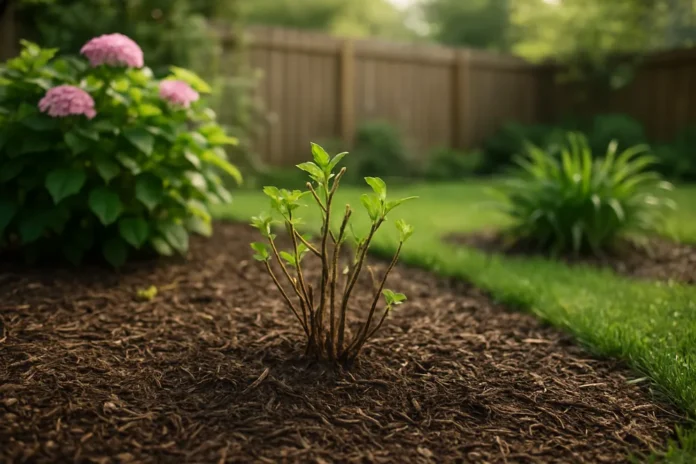
A hydrangea usually stops growing because it is stressed by poor light, watering problems, root restriction, pruning damage, or unsuitable soil. Slow growth can also happen after winter injury, transplant shock, or natural dormancy in a young plant.
When a hydrangea not growing starts to worry you, the first thing to know is that slow growth does not always mean a dying plant. Hydrangeas can sit still for a season after transplanting, sulk after a hard winter, or put their energy into roots before they show much top growth.
That said, a healthy hydrangea should gradually add stems, leaves, and size each year. If yours looks stuck, sparse, or much smaller than expected, there is usually a practical reason behind it. In my experience, the biggest clues come from the plant's location, the way the leaves look, and whether the problem started suddenly or has been building over time.
The good news is that slow hydrangea growth is often reversible. Once you narrow down whether the issue is light, moisture, soil, roots, pruning, or weather damage, the fix becomes much simpler.
What Normal Hydrangea Growth Should Look Like
Before assuming something is wrong, it helps to know what kind of hydrangea you have. Bigleaf hydrangeas, panicle hydrangeas, smooth hydrangeas, oakleaf hydrangeas, and climbing hydrangeas all grow at different rates. A young shrub in its first year may only put on modest growth, while an established plant in the right conditions should become noticeably fuller each season.
Growth also comes in cycles. Early in spring, hydrangeas may look slow while roots wake up and buds begin to swell. During hot summer weather, top growth can pause temporarily, especially if the plant is conserving moisture. In fall and winter, dormancy is normal, so no new growth should be expected.
- A newly planted hydrangea may need a full growing season to settle in.
- Mature shrubs should produce fresh leaves, stronger stems, and some increase in width or height most years.
- Container hydrangeas often grow more slowly than those planted in the ground.
- A plant can survive without growing well, which is why stalled growth is usually a stress signal rather than an immediate death sentence.
Not Enough Light Is One of the Most Common Causes
Hydrangeas are often labeled as shade plants, but that wording causes a lot of confusion. Most do best in bright morning sun with some afternoon protection, not in deep, dense shade all day. If your hydrangea gets very little direct light, it may stay weak, produce small leaves, and show minimal stem growth.
On the other hand, too much harsh afternoon sun can also slow growth by causing heat stress and repeated wilting. A stressed plant spends energy recovering instead of expanding. The goal is not simply more sun, but the right sun for your climate and hydrangea type.
When I am judging a sluggish hydrangea, I look at the quality of the light more than the number of hours on paper. A plant under a high tree canopy may technically get daylight all day but still not receive the kind of direct light that pushes strong growth.
- Too little light often causes thin stems, fewer leaves, and a stretched or open shape.
- Too much hot sun may cause crispy edges, repeated midday wilt, and stalled summer growth.
- Bigleaf and oakleaf hydrangeas usually appreciate afternoon shade in warmer parts of the U.S.
- Panicle hydrangeas tolerate and often prefer more sun than bigleaf types.
Water Stress Can Stall Growth Even when the Plant Is Still Alive
Hydrangeas need steady moisture, especially while establishing. If the soil repeatedly swings from bone dry to soggy, root function suffers and growth slows down. Underwatered hydrangeas may droop, develop brown leaf edges, and stop pushing new shoots. Overwatered hydrangeas can look limp too, but their leaves may turn yellow and the soil will stay wet for long periods.
This is where many gardeners get tripped up. A wilting hydrangea is not automatically thirsty. If roots are sitting in heavy, oxygen-poor soil, the plant cannot take up water properly, so the leaves wilt even though the ground is wet.
- Dry soil plus drooping leaves usually points to underwatering or shallow watering.
- Wet soil plus yellowing leaves often suggests overwatering or poor drainage.
- Container hydrangeas dry out faster and may need more frequent watering than in-ground plants.
- Fresh mulch helps stabilize soil moisture and supports more consistent growth.
If I am trying to revive a stalled hydrangea, I water deeply and less often rather than giving it a little sprinkle every day. That encourages roots to grow outward and downward instead of hovering near the surface.
Poor Drainage and Root Problems Can Hold a Hydrangea Back
Healthy roots are the engine behind hydrangea growth. If roots are damaged, crowded, constantly wet, or planted too deeply, the top of the plant often sits almost motionless. A hydrangea may remain green enough to survive while failing to gain size because the roots never get comfortable.
Compacted clay, low spots that collect water, and containers without enough room are common culprits. Root-bound hydrangeas in nursery pots can also struggle after planting if the circling roots were never loosened. In some cases, the root ball stays dense and dry while the surrounding soil gets wet, which leads to confusing watering symptoms.
- Soil that stays soggy after rain can limit oxygen and suppress root growth.
- A root-bound plant may dry out quickly and still fail to expand.
- Planting too deep can keep the crown damp and slow establishment.
- Compacted soil makes it harder for roots to spread and take up nutrients.
The Soil May Be Missing What the Plant Needs
Hydrangeas grow best in soil that is rich in organic matter, drains reasonably well, and holds enough moisture without staying waterlogged. If the soil is very poor, extremely sandy, or hard-packed, the plant may survive but grow slowly. Nutrient shortages can add to the problem, especially if leaves are pale, small, or yellowing between the veins.
While people often focus on soil pH because of bloom color, pH also affects nutrient availability. In soil that is too alkaline for certain hydrangeas, iron can become harder for the plant to access, which may contribute to chlorosis and weak growth. Overfertilizing can be just as harmful, especially with high-nitrogen products that push soft top growth or burn roots.
- Low organic matter can lead to weak moisture retention and poor root development.
- Nutrient deficiencies may cause pale leaves, reduced leaf size, and slow growth.
- Very alkaline soil can contribute to yellow leaves from reduced iron availability.
- Too much fertilizer can damage roots and create more stress instead of more growth.
Pruning Mistakes Can Remove the Growth You Were Waiting For
Hydrangea pruning is one of the biggest reasons gardeners think a plant is not growing. Some hydrangeas bloom and leaf out from old wood, which means next season's buds are already on the stems. If those stems are cut back at the wrong time, the plant may spend the season replacing lost growth instead of getting bigger or flowering well.
Bigleaf and oakleaf hydrangeas are especially vulnerable to this issue. Panicle and smooth hydrangeas are more forgiving because they bloom on new wood, but even then, severe pruning can temporarily reduce plant size and delay the full, vigorous look you want.
If a hydrangea was pruned hard and then just sits there, I usually think of it as a plant rebuilding, not a mystery decline. It often takes a season for the shrub to replace structure it already had before the cuts.
- Cutting old-wood hydrangeas at the wrong time removes stored buds and stem tissue.
- Heavy pruning can shrink the plant for a season or longer.
- Deadheading is not the same as reshaping the whole shrub.
- When in doubt, identify the hydrangea type before making major cuts.
Winter Injury and Late Frosts Can Delay Spring Growth
A hydrangea that looks slow in spring may be recovering from winter damage. Cold winds, repeated freeze-thaw cycles, and late frosts can kill buds and stem tips even when the roots survive. The plant may leaf out from the base much later than expected, which makes it seem like it stopped growing when it is really starting over.
This is especially common with bigleaf hydrangeas in colder regions or in exposed planting sites. A shrub near a south-facing wall can wake up early during a warm spell, then suffer damage when temperatures drop again. Recovery may be slow and uneven.
- Brown, dry stem tips in spring often point to winter dieback.
- Delayed leaf-out from the base can mean the roots are alive but upper stems were damaged.
- Hydrangeas in windy or exposed spots are more vulnerable than those in sheltered beds.
- A late frost can damage tender new growth and pause the plant for weeks.
Transplant Shock and Young Plant Establishment Take Time
If your hydrangea was planted recently, impatience may be part of the problem. Transplant shock can temporarily slow growth while the plant adjusts to new soil, temperature swings, and moisture patterns. This is especially true for shrubs planted during hot weather or moved while actively growing.
Nursery hydrangeas often look larger and fuller than they will for a while after planting because they were grown under protected conditions with regular irrigation and feeding. Once they go into a home garden, they may pause before they start gaining momentum again.
- A first-year hydrangea may focus more on roots than top growth.
- Plants installed in summer often struggle more than those planted in spring or fall.
- Leaf scorch, droop, and slow expansion are common during transplant adjustment.
- Patience matters, but so does steady watering during the establishment period.
Pests and Diseases Can Weaken Growth Over Time
Hydrangeas are not usually the most pest-prone shrubs in the yard, but recurring pest or disease pressure can definitely reduce growth. Aphids, spider mites, scale, and leaf-feeding insects can drain plant energy. Fungal leaf spots, powdery mildew, and root rots can also interfere with normal vigor, especially when the plant is already stressed by poor airflow or excess moisture.
The key here is severity. A few cosmetic spots rarely explain a plant that has stopped growing. But if leaves are heavily damaged, stems are weakening, or the plant has been under repeated attack for more than one season, growth can stall noticeably.
- Spider mites are more common in hot, dry conditions and can cause stippled leaves.
- Scale insects may weaken stems and reduce vigor over time.
- Fungal issues are often worse in crowded, damp planting sites.
- Root diseases are more likely where drainage is poor or watering is excessive.
How to Figure Out Which Cause Is Affecting Your Hydrangea
The fastest way to diagnose stalled hydrangea growth is to look for patterns instead of focusing on one symptom in isolation. Start with the site. Note how much direct sun the plant gets, how quickly the soil dries after watering, and whether water tends to collect there after rain. Then look closely at the leaves and stems for clues like yellowing, scorch, dieback, or pest activity.
Next, think about timing. Did the problem start after planting, after pruning, after a hard freeze, or during a hot dry stretch? That timeline often points to the real issue faster than any single leaf symptom. If the plant has been in the same place for years and just now stalled, recent changes in drainage, nearby tree shade, or root competition may be involved.
- Identify the hydrangea type if possible.
- Check sunlight exposure, especially morning versus afternoon sun.
- Feel the soil several inches down instead of judging only the surface.
- Inspect stems for winter dieback, pruning cuts, and pest buildup.
- Consider whether the plant is newly planted, root-bound, or competing with large roots nearby.
- Review any fertilizer, weed killer, or soil amendment changes from the past year.
What to Do to Encourage Healthy New Growth
Once you have a likely cause, the best approach is to correct the biggest source of stress and then give the plant time to respond. Hydrangeas do not bounce back overnight. What matters most is whether new leaves and shoots begin to look stronger over the next several weeks or next growing season.
Improve the growing conditions before reaching for aggressive products. Adjust watering, add compost, refresh mulch, and correct obvious light or drainage issues if you can. If the shrub is severely root-bound or planted in a poor location, moving it during the proper season may be the real long-term fix.
- Water deeply when needed and avoid keeping the soil constantly saturated.
- Add 2 to 3 inches of mulch, keeping it away from the stems.
- Work compost into the surrounding soil surface over time to improve structure.
- Use a balanced, hydrangea-appropriate fertilizer only if the plant truly needs feeding.
- Prune only dead or clearly damaged wood until you know what type of hydrangea you have.
- Relocate the plant if it is in deep shade, harsh reflected heat, or chronically soggy soil.
I try to change one major factor at a time and then watch the new growth, not the old leaves, for results. Old damage often stays visible, but healthier new shoots tell you the plant is finally moving in the right direction.
FAQ
Why Is My Hydrangea Alive but Not Getting Bigger?
That usually means the plant is surviving under stress rather than thriving. Common reasons include too much shade, inconsistent watering, poor drainage, root restriction, or recent transplant shock.
How Long Does It Take a Newly Planted Hydrangea to Start Growing Well?
Many hydrangeas need one full growing season to establish, and some take two before they really fill out. During that time, steady moisture and good soil conditions matter more than pushing fast top growth.
Will Fertilizer Make My Hydrangea Grow Faster?
Only if poor nutrition is actually part of the problem. If the issue is shade, soggy roots, or pruning damage, fertilizer will not solve it and may add more stress if overused.
Can a Hydrangea Recover After Being Cut Back Too Hard?
Yes, many hydrangeas can recover, but it may take a season or more. Recovery depends on the type of hydrangea, how much wood was removed, and whether the roots remain healthy.
Does a Hydrangea Grow Slower in a Pot?
Yes, container hydrangeas often grow more slowly because their roots have limited space and the soil dries out faster. They also become root-bound more easily than plants growing in the ground.
Why Does My Hydrangea Have Leaves but No Real New Stems?
That often points to limited light, root stress, or recovery from winter or pruning damage. The plant may have enough energy to hold existing foliage but not enough to push strong new shoots.
Should I Move a Hydrangea That Has Not Grown for Years?
If it is stuck in deep shade, poor drainage, or heavy root competition, moving it may be the best fix. The best time is usually when weather is cooler and the plant is less stressed, such as early spring or fall.
Need help bringing a weak shrub back to life? Read our hydrangea care and treatment guides to choose the right soil amendments, fertilizers, and watering tools for stronger growth.
