

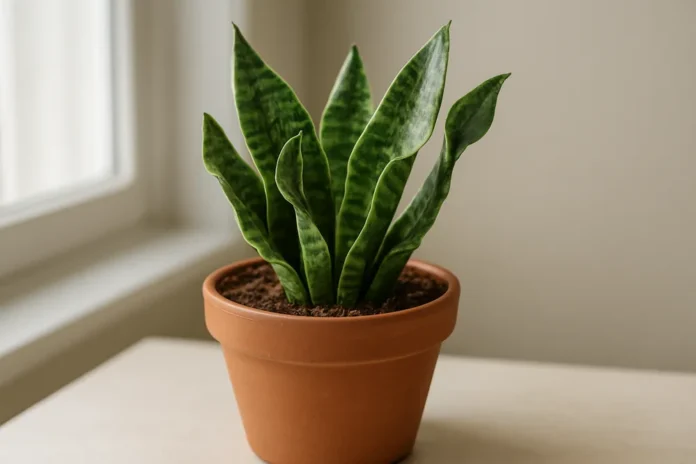
Snake plant leaves usually curl when the plant is stressed by improper watering, root problems, pest feeding, or temperature shock. Damaged leaves often stay curled even after conditions improve.
A snake plant with curling leaves is usually telling you that something in its care has gone off balance. Sometimes the issue is simple, like soil staying dry too long. Other times it is a root problem, pest damage, or cold stress that changes how the leaves hold water and stay firm.
I have found that snake plants can look tough right up until they suddenly show stress in a very visible way. Curling is one of those symptoms that can be confusing because it does not always come from just one cause. The good news is that the pattern of the curling, the condition of the soil, and the look of the roots usually point you in the right direction pretty quickly.
If your snake plant leaves are curling, focus on the plant's recent conditions rather than the leaf shape alone. Watering habits, pot drainage, temperature swings, and pests are the most common clues.
What Curling Leaves Usually Mean on a Snake Plant
Snake plant leaves are naturally stiff, upright, and fairly smooth. When they start curling inward, folding, twisting, or bending unnaturally, the plant is usually struggling to maintain normal water balance or leaf structure. In plain terms, the leaves are losing the internal pressure that keeps them straight, or they are being distorted by damage at the roots, leaf tissue, or growing point.
Curling does not always mean the plant is in immediate danger, but it does mean you should pay attention. A single bent leaf after handling is different from multiple leaves rolling inward. If several leaves are affected, especially with yellowing, soft spots, wrinkling, or stunted growth, you are likely dealing with an ongoing care issue rather than cosmetic damage.
- Leaves curling inward with dry soil often points to underwatering or dehydrated roots
- Leaves curling with mushy bases or sour-smelling soil often suggests overwatering and root rot
- Twisted or distorted new growth can signal pests such as thrips or mealybugs
- Curling after a cold draft or transport can come from temperature stress
- A single leaf that curls while the rest look healthy may simply be physically damaged
When I diagnose a snake plant, I look at which leaves are curling before anything else. Older outer leaves usually react first to root stress or drought, while deformed new leaves make me think about pests, crown damage, or a problem that started at the growing point.
Underwatering and Dehydration
One of the most common reasons snake plant leaves curl is simple dehydration. Even though snake plants tolerate drought better than many houseplants, they are not meant to stay bone dry forever. If the potting mix becomes extremely dry for too long, the roots cannot move enough moisture into the leaves. As water pressure drops inside the leaf tissue, the leaves can curl, wrinkle, or feel thinner than usual.
This kind of stress often shows up along with other dry-plant symptoms. The leaves may look slightly folded down the middle, the tips may crisp, and the plant may feel loose in the pot because the mix has shrunk away from the container sides. In severe cases, the roots themselves dry out and stop taking up water efficiently even after you finally water.
Signs the Plant Is Too Dry
- Potting mix feels dry all the way to the bottom
- Leaves look wrinkled, concave, or folded inward
- Leaf tips are dry and brown rather than soft
- The pot feels unusually light for its size
- Growth has slowed or stopped for a long stretch
If dehydration is the cause, give the plant a deep, even watering until excess drains out the bottom. Then let the mix dry partly before watering again. Recovery takes patience. Leaves that have already curled may not fully flatten, but healthy new growth should come in straighter once the watering rhythm improves.
Overwatering and Root Rot
People often assume curling means dryness, but overwatering can cause the same symptom. When roots sit in soggy soil, they start to suffocate and rot. Damaged roots cannot absorb water properly, so the leaves can curl from functional dehydration even though the pot is wet. That is why a snake plant can look thirsty and overwatered at the same time.
With root rot, curling is often paired with softness, yellowing, or a mushy base where the leaf meets the soil. The pot may stay wet for many days, the soil may smell stale or sour, and the plant may wobble because the roots are no longer anchoring it well. This is especially common in decorative pots without drainage, dense moisture-retentive mixes, or low-light rooms where the soil dries very slowly.
Clues That Root Trouble Is Behind the Curling
- Soil stays damp more than a week or two indoors
- Leaves feel soft, weak, or yellowing near the base
- There is a musty or rotten smell from the pot
- Roots are brown, mushy, or hollow instead of firm and pale
- The plant declines even though it has been watered regularly
If I suspect root rot, I do not keep guessing from the top of the pot. I slide the plant out and inspect the root ball. That one step tells you far more than another week of changing the watering schedule.
To fix this, remove the plant from the pot, trim off rotten roots with clean scissors, and repot into a fast-draining cactus or succulent mix in a container with a drainage hole. Hold off on watering immediately after heavy root trimming for a short period, then resume only when the mix has partly dried. Severely rotted leaves may need to be removed if the base is collapsing.
Poor Soil and a Pot That Holds Too Much Moisture
Sometimes the real problem is not how often you water but what the plant is growing in. Snake plants need airy soil that lets oxygen reach the roots. Heavy potting soil that packs down over time can hold too much water around the root zone and trigger the same stress signals as overwatering. Curling leaves can show up when the roots are trapped in stale, compacted, airless mix.
An oversized pot can add to the problem. If there is far more soil than roots, the mix stays wet longer than the plant can handle. This commonly happens after a well-meaning repot into a large decorative container. The plant looks like it has room to grow, but the excess wet soil creates slow, chronic stress.
Potting Setup Problems That Can Lead to Curling
- Dense peat-heavy soil that stays wet and compacted
- A pot that is much wider than the root ball
- No drainage hole in the bottom of the container
- A cachepot where runoff water collects and is not emptied
- Old mix that has broken down into a heavy, soggy mass
A healthy setup for snake plants is a snug pot with drainage and a gritty, free-draining mix. If the plant is otherwise healthy but the leaves are slowly curling and growth is weak, improving the potting setup may solve the issue before root rot takes hold.
Pests That Distort Leaves
Snake plants are fairly resilient, but they can still be bothered by sap-feeding pests. Mealybugs, spider mites, and especially thrips can damage leaf tissue enough to cause curling, twisting, or misshapen new growth. Pests feed by piercing the leaf and drawing out moisture, which can leave the tissue scarred or unable to expand normally.
Pest-related curling tends to look different from watering stress. Instead of broad wrinkling across the whole plant, you may see irregular distortion, streaking, silvery patches, tiny speckles, or sticky residue. New leaves may emerge narrow, twisted, or stuck together. Look closely in the leaf creases, at the base of the foliage, and on the undersides where pests often hide.
Symptoms That Suggest Pests
- Fine stippling or pale specks on the leaves
- Silvery scarring or rough patches
- Cottony clusters near leaf bases from mealybugs
- Webbing from heavy spider mite infestations
- New growth that comes in twisted or deformed
Treat visible pests promptly with insecticidal soap, horticultural oil, or rubbing alcohol on a cotton swab for small mealybug clusters. Repeat treatments as needed because one spray rarely gets every life stage. Isolate the plant until you are confident the infestation is gone so the problem does not spread to nearby houseplants.
Cold Shock, Heat Stress, and Sudden Environmental Changes
Snake plants like stable indoor conditions. If they are exposed to cold drafts, chilly windows, air conditioning vents, or sudden outdoor heat, the leaves can respond by curling or folding. Cold damage is especially common in winter when a leaf touches a freezing pane or sits near a frequently opened door. The damaged tissue may first curl, then soften or develop discolored patches later.
Heat stress can also play a role, especially if the plant was moved into intense direct sun without time to adjust. Although snake plants tolerate bright light, abrupt changes can stress the leaves and roots, causing curling, bleaching, and dry patches. Recently purchased plants often react this way after being moved from greenhouse conditions into a very different home environment.
- Curling started soon after the plant was moved
- Affected leaves face the window, vent, or draft source
- There are pale, scorched, or water-soaked patches
- The rest of care seems stable, but weather changed sharply
- Damage is concentrated on one side of the plant
Environmental damage often leaves a directional pattern. When only the window-facing side or vent-facing side curls, I think less about watering and more about what that part of the plant experienced over the last week.
Move the plant to a spot with bright, indirect light or gentle morning sun, steady indoor temperatures, and no direct blasts of hot or cold air. Damaged leaves may not straighten, but the plant should stabilize if the stress was temporary.
Physical Injury, Crowding, and Natural Leaf Quirks
Not every curled snake plant leaf means disease or poor care. These leaves can crease when they are bumped, squeezed during shipping, pressed against a wall, or bent while being repotted. Once a thick succulent leaf is physically damaged, it often keeps that shape. The plant itself may still be perfectly healthy.
Crowded pots can also affect leaf shape. When many pups are packed tightly together, new leaves may emerge pressed against each other and develop a slight curve or twist. Some varieties naturally have more curved or irregular growth than others, so compare the affected leaf with the rest of the plant before assuming something is wrong.
When Curling Is Probably Cosmetic
- Only one or two leaves are affected
- The rest of the plant is firm, upright, and actively growing
- There are no signs of pests, rot, or severe dryness
- The leaf shows a crease, scar, or flattened area
- The curling appeared after transport, repotting, or accidental bending
In these cases, you do not need to do much beyond good routine care. If the curled leaf bothers you visually, you can prune it at the base with clean shears. Otherwise, leave it in place as long as it is still green and contributing energy to the plant.
How to Figure Out the Cause Quickly
The fastest way to identify why your snake plant leaves are curling is to check the plant in a simple sequence. Start with the soil moisture, then inspect the roots if needed, then look for pests and environmental clues. This keeps you from making the common mistake of treating every curled leaf as a watering problem.
- Feel the soil several inches down or use a wooden skewer to check whether the root zone is dry or staying wet.
- Lift the pot and notice whether it feels unusually light or waterlogged.
- Inspect the leaf bases for softness, yellowing, or rot.
- Check the leaves closely for stippling, cottony residue, webbing, or distorted new growth.
- Think about recent changes such as repotting, relocation, cold drafts, heat, or missed waterings.
- If the answer is still unclear, slide the plant out of the pot and inspect the roots directly.
Do not rush to water just because the leaves look curled. If the roots are rotting in wet soil, more water will make things worse. Likewise, do not repot a dry plant into fresh mix before rehydrating it properly. Matching the fix to the real cause is what gets the plant growing normally again.
What to Do After You Correct the Problem
Once you have identified the cause, give the plant time to respond. Snake plants recover slowly compared with softer houseplants. A damaged leaf may remain curled permanently, especially if it was physically bent, dehydrated for too long, or scarred by pests. What you want to watch for is healthier new growth and a stable overall plant.
Keep care simple during recovery. Provide bright filtered light, avoid frequent watering, and do not fertilize a struggling plant heavily. If root issues were involved, let the plant settle into its new pot before making more changes. If pests were involved, stay consistent with follow-up treatment so new growth is protected.
- Remove only leaves that are badly collapsed, rotten, or mostly dead
- Wait to judge progress by the next leaves, not the old damaged ones
- Water based on soil dryness, not the calendar alone
- Keep temperatures steady and avoid harsh midday sun during recovery
- Delay feeding until the plant shows fresh, active growth
If most of the plant has collapsed from rot but a few healthy sections remain, you can still save it by dividing healthy rhizomes or propagating intact leaf sections. Snake plants are tougher than they look, and even a rough-looking specimen can often be rebuilt if you catch the problem before everything turns mushy.
FAQ
Will Curled Snake Plant Leaves Uncurl Again?
Sometimes slightly dehydrated leaves improve after proper watering, but many curled leaves stay somewhat bent. Judge recovery by healthy new growth more than by the shape of old damaged leaves.
Can Overwatering and Underwatering Both Cause Curling?
Yes. Underwatering dehydrates the leaf directly, while overwatering damages roots so they cannot supply water properly. Both problems can leave the foliage curled or wrinkled.
Should I Cut Off Curled Snake Plant Leaves?
Only remove them if they are badly damaged, mushy, or unattractive enough that you want to prune them. If a leaf is still mostly green and firm, it can still help support the plant.
How Often Should I Water a Snake Plant with Curling Leaves?
There is no fixed schedule that works in every home. Water when the potting mix has dried well down into the pot, then water thoroughly and let excess drain away.
Can Low Light Make Snake Plant Leaves Curl?
Low light is not usually the main direct cause of curling, but it can contribute by slowing soil drying and increasing the risk of root problems. In very dim conditions, plants also grow weaker and recover more slowly.
Do Pests Make Snake Plant Leaves Curl Inward?
Yes, especially when pests feed on new growth. Thrips, spider mites, and mealybugs can distort expanding leaves and leave them curled, twisted, or scarred.
Is a Single Curled Leaf a Serious Problem?
Not always. One curled leaf on an otherwise healthy snake plant is often caused by physical damage, crowding, or a past stress event rather than an active care problem.
Need help choosing the right soil, pot, or treatment products for a stressed snake plant? Read our practical snake plant care and rescue guides to fix the problem faster and avoid repeat damage.
