

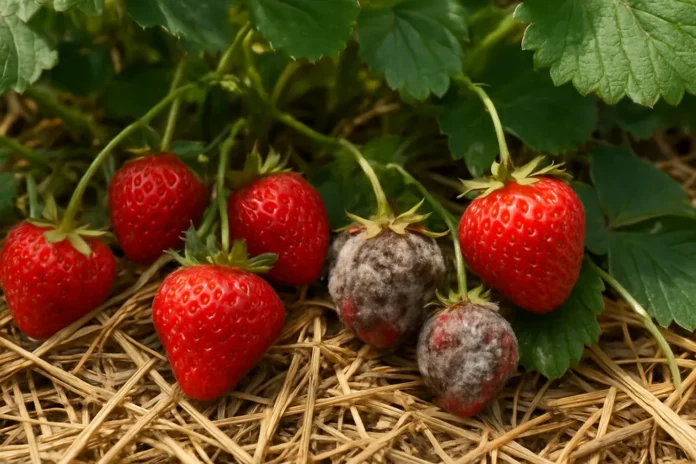
Strawberries usually rot because the fruit stays too wet, touches the soil, or gets infected by common fungal diseases such as gray mold or anthracnose. Overcrowding, rain splash, and inconsistent harvesting often make the problem worse.
Few garden disappointments are as frustrating as seeing beautiful berries soften, mold, or collapse just before picking. When strawberries rotting show up in a patch, the problem is usually not random. Rot tends to follow a pattern tied to moisture, airflow, soil contact, or a specific disease that takes advantage of damp conditions.
In my experience, strawberries can go from healthy to unusable very quickly, especially during warm, wet weather or when plants are packed too tightly. The good news is that you can often tell a lot by looking closely at where the rot starts, what the berry surface looks like, and whether leaves, flowers, or stems are affected too.
Once you know the most likely cause, the fix becomes much clearer. Some cases are mostly cultural and easy to correct, while others call for better sanitation, wider spacing, mulch, or a more serious disease prevention routine.
The Most Common Reasons Strawberries Rot
Most strawberry rot comes down to one basic issue: fruit staying wet for too long. Strawberries have soft, thin skin and sit low to the ground, so they are naturally vulnerable when rain, irrigation, or heavy dew lingers on the berries. Once moisture hangs around, fungi can move in fast.
- Berries resting directly on bare soil or wet mulch
- Dense plants with poor air circulation
- Frequent overhead watering that wets fruit and flowers
- Extended rainy or humid weather
- Fungal diseases such as gray mold, anthracnose, or leather rot
- Overripe fruit left on the plant too long
- Damaged berries from slugs, insects, or rough handling
Often, more than one factor is involved. A crowded bed after a rainy week can create perfect conditions for rot even if the planting looked fine earlier in the season. That is why it helps to think of this as both a disease issue and a growing-conditions issue.
When I diagnose strawberry rot, I look at the berries that are just starting to fail, not the ones that are already mush. Early-stage symptoms tell you much more about whether you are dealing with simple moisture damage or a specific fungal disease.
How to Tell Which Kind of Rot You Have
Gray Mold on Ripening Berries
Gray mold, also called Botrytis fruit rot, is one of the most common strawberry problems in home gardens. It often starts as a light brown soft spot on ripening fruit, then quickly develops fuzzy gray growth. Flowers may also blight earlier in the season, which sets the stage for fruit rot later.
This disease thrives in cool to mild, damp weather and spreads easily where plants are crowded. If your berries look moldy rather than just mushy, gray mold is high on the list.
Leather Rot in Soggy Conditions
Leather rot usually appears during very wet periods, especially where drainage is poor. Infected berries may turn brownish, dull, or purplish and feel tough or leathery instead of fuzzy. They can also develop an unpleasant smell or odd taste.
This type of rot is especially common when fruit splashes with contaminated soil during rain. Low spots in the garden and heavy soils make it worse.
Anthracnose Fruit Rot in Warm Weather
Anthracnose tends to show up in warm, humid conditions. It often causes dark, sunken spots on the fruit. You may also notice lesions on runners, leaf stems, or crowns if the disease is well established.
This one can spread quickly in hot, wet spells. If berries are developing firm, sunken, dark lesions rather than fuzzy mold, anthracnose is worth considering.
Simple Breakdown From Overripeness or Damage
Not every rotten berry points to a major disease. Fruit that is overripe, bird-pecked, slug-damaged, or bruised can start to collapse and mold secondarily. In those cases, the first issue is usually damage or delayed harvest, and fungi arrive afterward.
Garden Conditions That Make Rot Worse
Too Much Moisture Around the Fruit
Strawberries need consistent water, but they do not like staying wet on the surface. Overhead irrigation, frequent evening watering, and long rainy stretches all keep fruit damp. Wet berries are far more likely to rot than berries that dry quickly after watering.
Poor Airflow in Crowded Beds
When plants are packed together, humidity stays trapped near the fruit and leaves. This slows drying and makes fungal spread much easier. Older patches often become overgrown with runners, and that dense mat creates a perfect pocket for rot.
Fruit Touching Soil
Berries that rest on bare ground are more likely to pick up pathogens and stay damp after rain. Soil splash is a major route for several fruit rots, especially in beds without straw mulch or any support between the fruit and the soil.
Heavy Nitrogen Feeding
Too much nitrogen pushes lush leafy growth. That sounds good at first, but dense foliage shades the fruit, holds moisture, and reduces airflow. You end up with a greener patch that is actually more disease-prone.
If a strawberry bed looks like a thick carpet, I usually thin it before I do anything else. Better airflow often lowers rot pressure more than people expect, especially when the weather has been wet.
What to Do Right Now to Save the Remaining Crop
Once berries are rotting, you cannot reverse the damage on that fruit, but you can often protect the remaining crop. The goal is to reduce moisture, remove sources of spores, and keep healthy berries from contacting infected material.
- Pick and discard all rotten, moldy, or badly softened berries. Do not leave them in the bed.
- Harvest ripe fruit daily or every other day so berries do not sit too long in damp conditions.
- Switch to watering at the soil level if you have been using a sprinkler.
- Water in the morning so leaves and fruit dry faster.
- Add clean straw or another dry mulch under developing berries to keep them off the soil.
- Thin extra runners and remove some interior foliage if the patch is crowded.
- Avoid handling wet plants more than necessary, because that can spread spores.
If the weather turns dry and you improve conditions quickly, new fruit may come through much cleaner. If the patch stays wet and overgrown, rot usually keeps spreading.
How to Prevent Strawberry Rot Next Season
Start with Spacing and Bed Design
Give plants enough room for air to move through the patch. The exact spacing varies by variety and system, but the basic principle is simple: avoid creating a solid mat of foliage. Raised beds also help because they improve drainage and keep fruit cleaner.
Mulch Before Berries Develop
A clean layer of straw is one of the best rot-prevention tools for home gardeners. It keeps berries from sitting on the soil, reduces splash during rain, and helps fruit stay cleaner overall. Pine straw or another loose, dry mulch can also work if it does not mat heavily around the crown.
Use Drip Irrigation or Water Carefully
Drip irrigation or soaker hoses deliver water where roots need it without soaking flowers and fruit. If you hand-water, aim low and avoid late-day watering. Strawberries need moisture in the root zone, not constant wetness on the plant surface.
Keep the Patch Clean
Remove old berries, dead leaves, and obvious disease debris during the season. After harvest, renovate or thin the patch if you grow June-bearing strawberries. A cleaner bed going into the next cycle usually means fewer disease problems when fruit returns.
Rotate New Plantings when Possible
If a bed has had repeated disease issues, starting a fresh planting in a new spot can help. Rotation is especially useful when soilborne problems or persistent splash-borne diseases keep returning in the same area.
When Pests and Weather Contribute to the Problem
Rot is often blamed entirely on disease, but weather and pests frequently open the door. A bird peck, slug scrape, or cracked berry after heavy rain gives fungi an easy entry point. In humid climates, even healthy fruit can struggle if wet weather lines up with peak ripening.
- Slugs leave ragged feeding scars and often attack fruit touching mulch or soil
- Birds peck holes that quickly soften and mold
- Heavy rain can split very ripe berries or splash pathogens onto fruit
- Hail or rough harvesting can bruise berries that later break down
If you see damage first and rot second, address the injury source as well as the moisture issue. Otherwise, the same cycle will repeat across the next flush of fruit.
A bed can look diseased when the first trigger was actually slug feeding. When I see rot mostly on berries hidden low in mulch, I check for slime trails and feeding scars before assuming the whole problem is fungal.
When Fungicides May Be Worth Considering
In a small home garden, cultural fixes often do most of the heavy lifting. But if you have repeated losses from gray mold or another confirmed fungal problem, a labeled fungicide may be worth using as part of a prevention plan. Fungicides generally work better preventively than after berries are already rotting.
If you go that route, use a product specifically labeled for strawberries and the disease you are targeting. Follow the label exactly for timing, harvest interval, and application frequency. Organic options may help in some situations, but they still need correct timing to be useful.
Do not rely on sprays alone. If berries are crowded, wet, and lying on soil, even a good product will have limited success.
Signs the Planting Itself May Need Replacing
Sometimes the issue is bigger than a single wet week. Older strawberry patches often decline in vigor, become overcrowded, and accumulate disease problems. If rot has been getting worse each year despite thinning, mulching, and careful watering, the bed may be due for renovation or replacement.
- The patch is several years old and badly crowded
- Fruit size has dropped along with overall yield
- You see recurring crown, stem, or fruit disease every season
- Drainage is poor and difficult to correct in the current location
- New berries rot even after sanitation and mulching improvements
Starting over with healthy plants in a sunnier, better-drained site can be far more productive than trying to rescue a tired bed year after year.
FAQ
Can I Eat Strawberries if Only One Small Spot Is Rotten?
It is better to discard berries with rot. Strawberries are soft fruit, and decay can spread below the surface faster than it appears from the outside.
Does Mulch Help Prevent Strawberries From Rotting?
Yes. Clean straw mulch is one of the best ways to reduce rot because it keeps fruit off the soil, cuts down on splash, and helps berries stay cleaner and drier.
Is Overhead Watering Bad for Strawberries?
It can be, especially during flowering and fruiting. Wet flowers and berries are much more likely to develop fungal rot than fruit watered only at the root zone.
Why Do My Strawberries Look Fine Until They Start Turning Red, Then Rot?
Many fruit rots show up as berries ripen because the fruit softens and becomes more vulnerable. Infections often start earlier on flowers or immature fruit, then become obvious near harvest.
Will Picking Strawberries More Often Reduce Rot?
Yes. Frequent harvesting keeps ripe fruit from sitting too long in damp conditions and removes berries before they become overripe or moldy.
Can Too Much Fertilizer Cause Strawberry Rot?
Too much nitrogen can contribute indirectly. It promotes dense leafy growth, which traps humidity and slows drying around the fruit.
Are Rotten Strawberries a Sign of Poor Drainage?
Sometimes. If the bed stays soggy after rain or irrigation, poor drainage can strongly increase rot problems, especially leather rot and other moisture-driven diseases.
Want cleaner berries and bigger harvests? Read our guide to the best strawberry mulches and watering setups so you can stop rot before it starts.
