

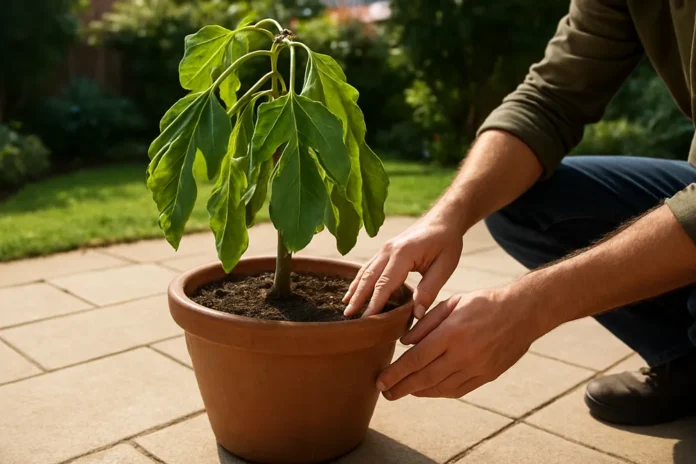
Fig tree leaves usually droop because the plant is stressed by watering problems, heat, transplant shock, or root issues. In many cases, drooping is temporary and improves once the stress is corrected.
A fig tree with drooping leaves can look dramatic fast. One day the canopy seems full and upright, and the next day the leaves hang limp enough to make you think the tree is dying. The good news is that drooping is often a stress signal, not an automatic death sentence.
In my experience, figs are tougher than they look, but they react quickly when watering, temperature, roots, or recent planting conditions are off. A fig tree may droop from dry soil, soggy roots, transplant shock, intense afternoon heat, or a container that has become too small. The key is to read the pattern instead of treating every droopy leaf the same way.
Once you know what kind of stress your fig is dealing with, the fix becomes much clearer. Here is how to sort out the most common causes and help your tree recover without making the problem worse.
What Drooping Leaves Usually Mean on a Fig Tree
Drooping leaves mean the tree is struggling to manage water pressure inside its tissues. Healthy leaves stay firm because the plant is moving enough moisture from the roots up through the stems and into the foliage. When that system is interrupted, leaves lose stiffness and start to hang.
That interruption can happen for opposite reasons. A fig that is too dry cannot supply enough moisture to the leaves. A fig that is too wet can develop stressed or suffocating roots that also fail to move water properly. Heat, wind, root damage, and transplanting can create the same wilted look even when the soil is not bone dry.
This is why drooping by itself is a symptom, not a diagnosis. You need to pair it with soil moisture, recent weather, pot size, leaf color, and how quickly the problem appeared.
When I diagnose a droopy fig, I look at the youngest leaves and the oldest leaves separately. If everything on the tree looks limp at once, I usually suspect a root or watering issue before I blame nutrients or disease.
The Most Common Reasons Fig Leaves Droop
Underwatering and Dry Root Zones
This is one of the most common causes, especially for container figs in summer. Figs have large leaves that lose water quickly in heat, sun, and wind. In a pot, the root zone can dry much faster than many gardeners expect, particularly in black nursery containers, fabric pots, or fast-draining mixes.
Leaves often droop suddenly when the soil has gone too dry. The pot may feel very light, the soil may pull away from the sides, and the leaves may feel soft rather than crisp. If dryness continues, leaf edges can brown and some leaves may yellow and drop.
Overwatering and Poor Drainage
Too much water can cause the same limp look. Roots need oxygen, and constantly wet soil can suffocate them. In that state, the tree cannot take up water properly even though plenty of moisture is sitting around the roots.
A waterlogged fig may have drooping leaves plus yellowing, slow growth, and a potting mix that stays wet for days. If the roots begin to rot, the tree may decline further and develop leaf drop, stem dieback, or a sour smell in the container.
Heat Stress and Afternoon Wilt
Figs love sun, but even sun-loving plants can droop during brutal heat, especially when temperatures spike and the roots cannot keep up with moisture demand. This often shows up in late afternoon. The tree may look tired for a few hours, then perk up again in the evening or the next morning.
Temporary heat wilt is common in containers, newly planted figs, and trees exposed to reflected heat from walls, patios, or driveways. If the leaves recover when temperatures ease, the issue is often environmental stress rather than permanent damage.
Transplant Shock
A newly planted or recently repotted fig often droops because its roots have been disturbed. Even careful transplanting can break fine feeder roots that handle much of the water uptake. Until the tree reestablishes itself, leaves may sag, curl slightly, or drop a few lower leaves.
This is especially common when a fig moves suddenly from a sheltered nursery spot to full sun, wind, or a hotter patio. The top growth loses water faster than the recovering roots can replace it.
Root-bound Containers
A fig that has outgrown its pot can start drooping because the roots have taken over most of the container volume. With less soil available to hold moisture, the pot dries out quickly and becomes harder to water evenly. Root-bound figs may droop repeatedly even when you feel like you water often.
Other signs include roots circling the pot, water running down the sides instead of soaking in, stunted growth, or needing water every day during warm weather.
Cold Snaps and Sudden Weather Swings
Figs can also droop after chilly nights, late spring cold, or sudden storms. Cool soil slows root activity. If the plant leafed out and then got hit by a temperature dip, those soft new leaves may hang limp or look slightly translucent.
Wind can create a similar effect by increasing moisture loss from the leaves faster than the roots can replace it, particularly in potted trees on decks or balconies.
Pests, Disease, and Root Damage
Less often, drooping is tied to something more serious such as root rot, nematode damage, boring insects, or major root injury from digging. Sap-sucking pests like spider mites can also stress foliage, though they usually cause stippling or discoloration before dramatic droop becomes the main symptom.
If drooping is paired with blackened stems, mushy roots, severe leaf spotting, webbing, or a steady decline despite corrected watering, broaden the diagnosis beyond simple moisture stress.
How to Tell Which Cause Is Most Likely
The fastest way to narrow this down is to match the drooping pattern with what the soil and weather are doing. Fig trees usually leave clues.
- If the soil is dry several inches down and the pot feels light, underwatering is likely.
- If the soil is soggy, dense, or has been staying wet for days, overwatering or drainage trouble is more likely.
- If the tree droops mostly in late afternoon but looks better by morning, heat stress is a strong possibility.
- If the problem started right after planting, repotting, or moving the tree outdoors, transplant shock often explains it.
- If the tree needs water constantly and roots are wrapping the inside of the pot, a root-bound container may be the main issue.
- If drooping came after a cold night or sharp temperature swing, weather stress may be the trigger.
- If leaves are drooping along with yellowing, black spots, mushy roots, or stem decline, consider disease or root damage.
I try not to react to one droopy afternoon by adding more and more water. With figs, a moisture meter can help, but I still trust a finger test and the weight of the pot more than anything else.
Also look at how fast the problem developed. A sudden whole-tree wilt often points to watering stress, heat, or root disturbance. A slower decline over a week or two can suggest chronically wet soil, crowded roots, or disease.
What to Do for a Drooping Fig Tree
If the Soil Is Too Dry
Water deeply and evenly until the root ball is thoroughly moistened. In containers, water until excess drains from the bottom, then let the pot drain freely. If the soil has become extremely dry and is repelling water, soak slowly in stages so the root ball can rehydrate instead of shedding water around the edges.
After that, adjust your routine. Do not let the tree swing from bone dry to soaked over and over. A layer of mulch on in-ground figs helps stabilize moisture, and larger pots usually buffer summer drying better than small ones.
If the Soil Is Too Wet
Pause watering and let excess moisture drain away. Make sure the container has open drainage holes and that no saucer is holding water around the roots for long periods. If the potting mix is heavy or compacted, repotting into a looser, well-draining mix may be necessary once the tree is stable enough to handle it.
For in-ground figs, improve drainage around the planting site if water stands after rain. Avoid piling soil or mulch against the trunk, and do not keep adding water just because the leaves look limp.
If Heat Is the Trigger
Keep the root zone evenly moist and reduce extra stress where possible. Container figs may benefit from a spot with morning sun and some relief from the harshest late afternoon heat during extreme weather. A light mulch over the soil surface can also reduce evaporation.
Do not assume every hot-day droop means the plant needs daily soaking. Some figs briefly wilt in high heat and recover on their own once conditions cool.
If Transplant Shock Is the Cause
Focus on stability. Keep watering consistent, protect the tree from severe afternoon stress for a short period if possible, and avoid fertilizing heavily right away. The goal is to help the roots reestablish, not push a burst of new top growth before the root system is ready.
Some leaf droop or drop after transplanting is normal. Watch for healthy new growth over the following weeks rather than expecting every existing leaf to recover perfectly.
If the Tree Is Root-bound
Move it into a slightly larger container with fresh potting mix, or root prune and repot if you are keeping it at a manageable size. Tease apart circling roots gently if possible. After repotting, water thoroughly and give the tree a little time to settle before expecting it to bounce back.
If You Suspect Disease or Root Rot
Check the roots if the plant is in a container. Healthy fig roots are generally firm and lighter in color. Rotten roots are often brown, mushy, or foul smelling. Remove badly damaged roots, repot into clean, fast-draining mix, and trim back watering while the plant recovers.
If a planted fig is steadily declining and the issue does not match weather or watering, look for trunk injury, crown rot, pest pressure, or poor drainage in the planting site.
When Drooping Is Normal and when It Is a Warning Sign
Some drooping is temporary and not especially alarming. A fig may sag a bit during intense summer afternoons, after a recent move, or for a short period after repotting. If the leaves regain firmness overnight or within a day after conditions improve, the tree is usually coping rather than failing.
More concerning signs include drooping that does not improve, steadily increasing leaf yellowing, blackened stems, sudden leaf drop, sour-smelling soil, or a trunk base that stays wet and soft. When drooping is part of a larger decline, it is less likely to be harmless heat wilt and more likely to be a root problem or disease issue.
New growth tells the real story. I worry less about older leaves that stay a little tired after stress and much more about whether the next flush of leaves comes in strong, green, and upright.
How to Prevent Drooping Leaves in the Future
Prevention comes down to keeping the root zone steady. Figs handle stress better when moisture is consistent, drainage is good, and the roots have enough room.
- Water deeply when needed instead of giving frequent shallow sips.
- Use a well-draining potting mix for container figs.
- Make sure containers have generous drainage holes.
- Repot before the tree becomes badly root-bound.
- Mulch in-ground figs to reduce moisture swings and heat stress.
- Acclimate nursery or indoor figs gradually before moving them into intense outdoor sun.
- Avoid heavy fertilizing during periods of stress or right after transplanting.
- Watch weather extremes closely, especially hot windy spells and late cold snaps.
Once you get used to how quickly your own fig dries in your climate and setup, drooping becomes much easier to prevent. Potted figs in Arizona or Texas behave very differently from in-ground figs in milder coastal climates, so let your local conditions guide your routine.
FAQ
Should I Water My Fig Tree Immediately if the Leaves Are Drooping?
Not automatically. Check the soil first. If it is dry, a deep watering helps. If it is already wet, more water can make the problem worse.
Can a Fig Tree Recover From Drooping Leaves?
Yes, very often it can. If the cause is temporary stress such as dry soil, heat, or transplanting, figs usually rebound well once conditions improve and the roots are functioning properly again.
Why Does My Potted Fig Droop Every Afternoon?
That usually points to heat stress, a small root zone, or soil that is drying too quickly. Containers heat up and lose moisture fast, so afternoon wilt is more common in potted figs than in established in-ground trees.
Will Overwatered Fig Leaves Look Droopy Too?
Yes. Overwatered figs often droop because oxygen-starved roots cannot take up water properly. Yellowing leaves and soil that stays wet for too long are common clues.
Do Fig Leaves Droop After Repotting?
They often do. Repotting disturbs roots and can temporarily reduce water uptake. Mild drooping after repotting is common, especially in warm weather or bright sun.
Can Too Much Sun Make Fig Leaves Droop?
Extreme sun and heat can cause temporary drooping, especially in young or container-grown figs. Usually the issue is not sunlight alone, but the combination of heat, rapid water loss, and roots that cannot keep up.
How Long Does Transplant Shock Last in a Fig Tree?
Minor transplant shock may ease within several days, while a larger tree can take a few weeks to fully settle in. Recovery depends on root disturbance, weather, watering consistency, and how well the tree was acclimated.
Need help keeping your fig healthy through heat, watering swings, and container stress? Read our guide to the best soil mixes, pots, and watering tools for figs so you can fix drooping faster and prevent it from coming back.
