

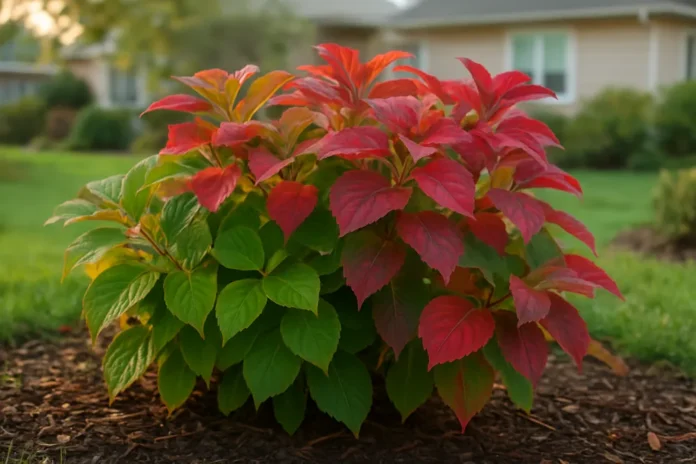
Hydrangea leaves usually turn red because of seasonal change, sun stress, phosphorus or other nutrient problems, root stress, or certain leaf diseases. In many cases it is harmless, but sudden or patchy reddening can signal the plant is under stress.
Seeing hydrangea leaves turning red can be confusing because sometimes it is perfectly normal and sometimes it is your plant asking for help. Hydrangeas are expressive shrubs, and their leaves often change color before they show more obvious signs like wilting, browning, or poor flowering.
In my garden, the first thing I pay attention to is when the color change started and how it appears. A uniform red or burgundy flush in late summer or fall often means the plant is just moving into dormancy. Red edges, blotches, purplish veins, or stressed new leaves during the growing season usually point to sun exposure, nutrient imbalance, root trouble, or disease.
When Red Hydrangea Leaves Are Completely Normal
Not every red leaf is a problem. Many hydrangeas naturally develop red, burgundy, or purple tones as temperatures cool and the season winds down. This is especially common in late summer through fall, when the plant begins shifting energy away from active growth and the leaf pigments become more visible.
Bigleaf hydrangeas and oakleaf hydrangeas are especially known for attractive fall foliage. If the shrub otherwise looks healthy, has normal leaf size, and the color change is fairly even across older leaves, you may simply be seeing seasonal color rather than damage.
- Red or burgundy color appears in late summer or fall
- The color is fairly even across many older leaves
- Leaves stay firm rather than limp, spotted, or distorted
- The shrub is still growing normally for the time of year
I rarely worry when a hydrangea colors up gradually as nights cool down. What makes me suspicious is a plant that reddens suddenly in early summer or develops blotchy color on just one side of the shrub.
Sun Stress and Heat Can Redden the Foliage
One of the most common non-seasonal reasons for red leaves is too much direct sun, especially hot afternoon sun. Hydrangeas generally like morning sun with some protection later in the day. When light and heat levels are too intense, leaves can develop a reddish or bronzed cast before they start to crisp or scorch.
This often happens after a shrub is newly planted, after nearby trees are removed, or during a stretch of high heat. The plant may not be technically underwatered, but the combination of heat and moisture loss can still stress the leaves enough to trigger red pigments.
Signs the Sun Is the Main Issue
- The most exposed side of the plant looks redder than the shaded side
- Leaves show red, bronze, or purple tones along with tan or brown scorch
- Symptoms worsen after hot sunny days
- Recently transplanted hydrangeas struggle more than established ones
If your hydrangea is planted in a spot with intense afternoon sun, leaf reddening can be an early warning before more serious summer stress shows up. In many parts of the U.S., especially the South and hotter inland areas, even labeled "sun tolerant" hydrangeas appreciate protection from the strongest late-day light.
Water Stress Often Shows Up Before Leaves Wilt
Hydrangeas are famous for dramatic wilting, but red leaves can appear before that happens. When roots cannot take up enough water, the plant may respond with reddish or purplish leaf tones, especially around the margins or between the veins. This is more likely during hot weather, windy conditions, or when the soil dries out too fast.
Overwatering can also create a similar stress response. Waterlogged soil reduces oxygen around the roots, and struggling roots cannot support healthy green growth. A plant sitting in soggy soil may develop reddening along with yellowing, drooping, and slow growth.
How Underwatering and Overwatering Differ
- Underwatering usually comes with dry soil, limp leaves in heat, and crispy edges
- Overwatering usually comes with consistently wet soil, softer yellowing leaves, and a generally heavy, droopy look
- Both can produce red or purple stress coloration when roots are struggling
If I am unsure whether water is the issue, I do not judge by the soil surface. I check several inches down near the root zone because mulch and topsoil can look dry while deeper soil is still wet, or the reverse.
Nutrient Deficiencies and pH Problems Can Trigger Red or Purple Leaves
A phosphorus deficiency is one of the classic reasons leaves turn reddish or purplish. Hydrangeas can show this when soil is too cold, roots are damaged, or the soil pH locks nutrients up even when they are technically present. Poor root function and compacted soil can make the problem worse.
While phosphorus gets most of the attention, other nutrient imbalances can contribute too. Magnesium issues, general poor fertility, or pH-related nutrient uptake problems can all lead to off-color foliage. Hydrangeas prefer soil conditions that let them take up nutrients steadily, and they often react when the soil is too alkaline or otherwise out of balance.
What Nutrient-related Reddening Often Looks Like
- Leaves develop a reddish, purplish, or bronzed tone during active growth
- The plant may also look smaller, slower, or less vigorous than usual
- Color change can appear on older leaves first, but patterns vary
- The shrub may bloom poorly if the problem continues
Fertilizer is not always the immediate answer. If the real problem is cold spring soil, compacted roots, or a pH issue, adding more plant food may not solve it and can sometimes make the plant more stressed. Hydrangeas do best with moderate feeding rather than heavy applications.
Root Stress After Planting or Damage Below the Soil Line
A recently planted hydrangea often shows odd leaf color while it is trying to establish. Red or purple leaves can result from transplant shock, restricted roots, poor drainage, compacted backfill, or planting too deep. The roots are not yet functioning at full capacity, so the foliage reflects that strain.
Established shrubs can also develop red leaves if roots have been damaged by digging, edging, construction, lawn chemicals, or periods of standing water. In some cases, the top growth looks stressed long before the root problem is obvious from above ground.
Clues That Point to Root Trouble
- The hydrangea was planted recently and has not settled in
- The plant stays small or fails to put on normal new growth
- Water seems to run off quickly or pool around the base
- Only part of the shrub shows symptoms after nearby root disturbance
When a hydrangea keeps showing strange leaf color despite decent watering, I start thinking below the soil line. Root stress is easy to miss because the leaves can imitate nutrient or sun problems, but the plant often looks stalled rather than just discolored.
Leaf Spot Diseases Can Create Red, Purple, or Maroon Blotches
Several fungal and bacterial leaf spot diseases can make hydrangea leaves look red or purple. Cercospora leaf spot is one of the more common culprits. It usually starts as small purple, reddish, or brown spots that may enlarge over time. As the disease progresses, the centers can tan out while the margins stay darker.
Leaf spot is more common in humid weather, on crowded shrubs with poor airflow, and where leaves stay wet for long periods. Overhead watering late in the day can make the problem worse. Diseased leaves usually look patchy rather than evenly flushed with color.
How Disease-related Red Leaves Differ From Stress Color
- Color appears as distinct spots, blotches, or irregular lesions
- Leaves may yellow and drop early
- Symptoms often begin on lower or inner leaves where humidity lingers
- The pattern spreads over time rather than appearing all at once after heat
A few scattered spotted leaves are usually manageable, especially late in the season. Severe spotting early in summer can weaken the shrub by reducing leaf area, though it is rarely fatal by itself in home landscapes.
Cold Snaps and Spring Weather Swings Can Temporarily Redden Foliage
Hydrangea leaves are tender when they first emerge. A late frost or sharp cold snap can turn new growth reddish, purplish, or even blackened at the tips. Sometimes the leaves survive with discoloration. Other times they become distorted, papery, or drop off entirely.
This kind of reddening often shows up fast after a cold night, especially on the outermost or highest growth. Established roots may be fine, but the soft new foliage reacts quickly to temperature swings.
- Symptoms appear soon after a chilly night or late frost
- New growth is affected more than older leaves
- Tips, edges, or exposed leaves show the strongest color change
- The plant often outgrows mild damage once weather stabilizes
How to Tell Which Cause Is Most Likely
The pattern on the leaves matters more than the color alone. A hydrangea with evenly reddening older leaves in fall is a very different case from one with purple spots in humid weather or one-sided bronzing after a heat wave. Looking at timing, location, and the rest of the plant usually gets you closer to the answer than looking at a single leaf.
Questions That Help Narrow It Down
- Did the color change start in fall, during a heat spell, after planting, or after a cold snap?
- Is the whole shrub affected or only the sunny side, lower leaves, or new growth?
- Are the leaves uniformly red or spotted, scorched, wilted, yellow, or dropping?
- Has the watering pattern changed, or has the plant been sitting too wet?
- Did anything disturb the roots or change the amount of sun the shrub receives?
If the plant is otherwise healthy and the reddening lines up with season change, it is usually not a major concern. If red leaves appear during active growth and come with stunting, spotting, scorch, yellowing, or poor bloom performance, stress is more likely than normal color change.
What to Do for Red Hydrangea Leaves
The right fix depends on the cause, but most hydrangeas recover well once growing conditions improve. Focus on reducing stress rather than trying every treatment at once. Healthy new growth is the best sign that the plant is back on track.
If Sun and Heat Are the Issue
- Provide afternoon shade if possible, especially in hot climates
- Keep a 2 to 3 inch mulch layer over the root zone, but not piled against stems
- Water deeply during hot dry periods so roots stay evenly moist
If Watering Is the Issue
- Adjust watering so the soil stays consistently moist, not soggy
- Improve drainage if water stands around the roots
- Use slower, deeper watering rather than frequent shallow sprinkles
If Nutrients or pH Are the Issue
- Use a soil test before adding large amounts of fertilizer
- Feed lightly with a balanced fertilizer if the plant truly needs it
- Correct pH only if a test shows it is limiting nutrient uptake
If Disease Is the Issue
- Remove and discard heavily spotted fallen leaves
- Increase airflow by thinning crowded neighboring plants if needed
- Avoid overhead watering that keeps foliage wet for long periods
- Use a labeled fungicide only when disease is recurring and severe
Do not expect already red leaves to turn green again. Judge success by the next round of growth. If new leaves emerge healthy and green, your correction worked even if older foliage stays discolored.
When Red Leaves Mean You Should Pay Closer Attention
Hydrangeas are resilient, but persistent red foliage during the growing season should not be ignored if the shrub also looks weak. A plant that repeatedly colors red in spring or early summer may have a chronic site problem such as too much sun, poor drainage, compacted soil, or ongoing nutrient lockout.
- The plant is getting worse instead of stabilizing
- New leaves emerge red, stunted, or distorted
- Leaf spots spread rapidly through the canopy
- The shrub wilts often even though watering seems adequate
- Blooming is poor and annual growth is shrinking
When symptoms stack together, it is worth looking beyond the foliage and reassessing the site. In my experience, hydrangeas usually respond best when you solve the underlying stress rather than treating leaf color as a problem by itself.
FAQ
Do Red Hydrangea Leaves Always Mean the Plant Is Unhealthy?
No. Hydrangea leaves often turn red or burgundy naturally in late summer and fall. It is more concerning when reddening happens during active growth and comes with scorch, spots, wilting, yellowing, or stunted growth.
Can Too Much Sun Make Hydrangea Leaves Turn Red?
Yes. Intense sun and heat can cause a red, bronze, or purplish cast, especially on the most exposed leaves. This often shows up before leaves develop brown scorch.
Does a Phosphorus Deficiency Cause Red Hydrangea Leaves?
It can. Phosphorus deficiency is a classic cause of reddish or purplish foliage, but cool soil, root stress, or improper pH can create the same look by limiting nutrient uptake.
Why Are Only Some of My Hydrangea Leaves Turning Red?
Partial reddening often points to a specific stress pattern, such as sun exposure on one side, leaf spot disease on lower leaves, or root damage affecting only part of the shrub. The location of the affected leaves is a useful clue.
Will Red Hydrangea Leaves Turn Green Again?
Usually no. Once a leaf has changed color from stress or seasonal aging, it often stays that way. The better sign of recovery is healthy new growth.
Can Overwatering Cause Hydrangea Leaves to Turn Red?
Yes. Saturated soil can stress the roots and reduce oxygen, which may lead to red or purple foliage along with drooping and yellowing. Hydrangeas like evenly moist soil, not constantly soggy conditions.
Should I Fertilize My Hydrangea if the Leaves Are Red?
Not automatically. If the problem is caused by heat, poor drainage, root stress, or incorrect soil pH, fertilizer may not help. A soil test is the best way to know whether feeding is actually needed.
Want the right fix faster? Read our hydrangea care and troubleshooting guides to choose the best soil amendments, watering tools, and treatments before the problem spreads.
