

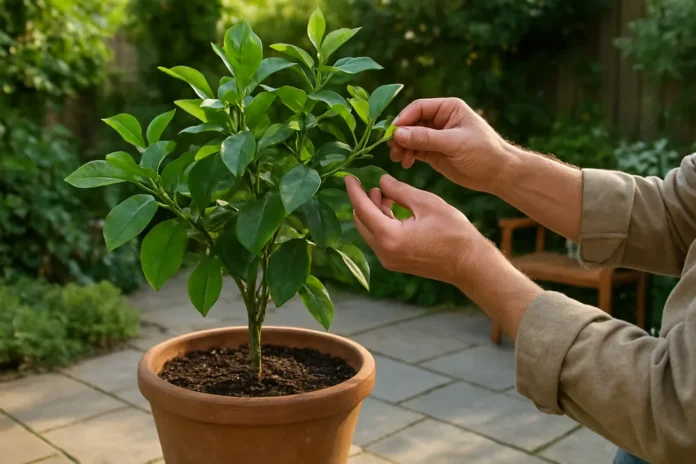
A lemon tree usually stops growing new leaves because it is stressed by low light, watering problems, cold temperatures, root issues, or nutrient imbalance. It can also pause naturally during cooler weather or after heavy fruiting.
When a lemon tree looks alive but refuses to put out fresh growth, I usually read that as a stress signal rather than a mystery. Citrus can hold onto older leaves for quite a while, so a tree may still look green even when something in its environment is keeping it from producing new leaves.
In most home gardens, the problem comes down to a short list: not enough sun, roots staying too wet or too dry, cold weather, a pot that is causing root stress, or the tree spending all its energy recovering from pests, disease, or fruit production. The good news is that lemon trees often respond well once the main stress is corrected.
The trick is not to throw five fixes at the tree at once. Citrus rewards careful observation. If you match the symptom pattern to the most likely cause, you can usually get steady new flushes back without making the plant work harder.
What Normal Lemon Tree Growth Should Look Like
Healthy lemon trees do not always push leaves continuously. They tend to grow in flushes, especially in spring and early summer, when you suddenly see clusters of soft, pale green leaves at shoot tips. Between those flushes, growth can slow down and the tree may look unchanged for weeks.
If your tree has firm green leaves, no obvious dieback, and otherwise looks stable, it may simply be between growth cycles. That is especially common with potted citrus moved indoors for winter, recently transplanted trees, or trees carrying a heavy crop of fruit.
- New leaves normally appear at branch tips, not randomly along old bare wood
- Fresh growth is softer and lighter green than mature foliage
- Active growth is strongest when days are warm, bright, and long
- A tree under stress may hold old leaves but stop extending shoots
When I assess citrus, I look for new bud swelling before I worry about missing leaves. If buds stay tight for a long time, the tree is usually conserving energy because one growing condition is off.
Too Little Sunlight Is One of the Most Common Causes
Lemon trees are sun-loving plants. If they do not get enough direct light, they often stop making vigorous new shoots. This is especially common with container lemons grown on patios that became shadier over time or indoor trees kept near bright windows that still do not provide enough intensity.
For strong leaf production, a lemon tree generally needs at least 6 to 8 hours of direct sun. Indoor conditions often look bright to us but are much dimmer than outdoor light. A tree may stay alive in those conditions while refusing to grow.
- Sparse canopy with long gaps between leaves
- Weak, stretched stems instead of sturdy compact growth
- Very slow recovery after pruning or repotting
- Leaves that stay dull green with little new tip growth
If low light is the problem, improvement is usually gradual rather than instant. Once light levels rise, the tree needs time to rebuild energy before it pushes a fresh flush.
Water Stress Can Shut Down New Growth
Overwatering and Soggy Roots
Lemon trees hate sitting in waterlogged soil. Roots need both moisture and oxygen. When the potting mix stays wet for too long, root function slows down, and the tree often stops producing new leaves because it cannot support fresh top growth.
With chronic overwatering, you may also notice yellowing leaves, leaf drop, a heavy pot that never seems to dry, or a sour smell in the soil. Even if the tree is not visibly collapsing, soggy roots can keep it stuck in place.
Underwatering and Dry Root Cycles
Severe dryness can cause the same result. If the tree repeatedly wilts or the root ball becomes bone dry, the plant shifts from active growth to survival mode. It may hold onto what leaves it can and stop making new ones until moisture becomes more consistent.
- Water when the top couple inches of soil have dried, not on a rigid calendar
- Make sure excess water drains freely from the container
- Avoid letting saucers stay full of water after watering
- Water deeply enough that the whole root ball gets moistened
If I am unsure whether citrus is too wet or too dry, I check deeper in the root zone instead of judging the surface. The top can look dry while the middle of the pot is still soggy, which is a classic reason potted lemons stall.
Cold Temperatures and Seasonal Slowdown Matter More than Many Gardeners Expect
Lemon trees are less cold-tolerant than many people assume. Even when chilly weather does not kill the tree, it can stop new growth for weeks or months. Citrus grows best in warm conditions, and leaf production slows sharply when temperatures fall.
This is especially noticeable when a potted tree comes indoors for winter. Short days, cool nights near windows, and dry indoor air can combine to pause growth. In that situation, lack of new leaves does not always mean something is seriously wrong.
- Growth slows below about 55 to 60 degrees Fahrenheit
- Cold drafts can stress indoor trees even when room temperature seems fine
- Outdoor trees may pause after a cold snap, wind exposure, or sudden weather swings
- Recovery often starts only after warmer, brighter conditions return
Nutrient Problems Can Limit Leaf Flushes
Lemon trees are fairly heavy feeders, especially in containers where nutrients wash out faster. A tree that is short on nitrogen or generally underfed often struggles to produce healthy new foliage. Instead of a strong flush, it may stay pale, static, or weakly branched.
Nitrogen is the nutrient most closely tied to leafy growth, but citrus can also suffer when the soil pH is off or when roots are damaged and unable to absorb what is already there. That is why feeding more is not always the answer if the real problem is poor drainage or root rot.
- Overall pale green leaves can point to low nitrogen
- Yellowing between veins may suggest micronutrient issues such as iron deficiency
- No response to fertilizer often means root stress or cold soil is blocking uptake
- Container lemons usually need a citrus-specific fertilizer during active growth
Avoid heavy feeding when the tree is clearly stressed, recently repotted, or sitting in cold conditions. Forcing fertilizer on a struggling tree rarely creates healthy growth and can burn roots if salts build up.
Root Problems Often Hide Below the Surface
If a lemon tree has stopped growing and nothing above ground explains it, I start thinking about the roots. Citrus can become rootbound in pots, sit in compacted mix that no longer drains well, or develop root damage from rot, salt buildup, or transplant shock.
A rootbound tree may survive but fail to push fresh top growth because the root system has run out of space and moisture swings become more extreme. Old potting soil can also collapse over time, leaving too little air around the roots.
- Roots circling heavily around the inside of the pot
- Water running straight through without soaking in well
- A tree that dries out too fast or stays wet too long
- Little or no growth despite decent light and regular feeding
I have seen many stalled lemons perk up after a careful repot into a fast-draining citrus mix, but timing matters. Repotting during active warm-season growth is much easier on the tree than doing it during winter slowdown.
Pests and Disease Can Drain the Energy Needed for New Leaves
A lemon tree fighting pests often stops spending energy on new growth. Scale insects, spider mites, aphids, mealybugs, and citrus leaf miners are common offenders, especially on indoor or sheltered patio plants. Some feed on sap directly, while others damage tender new shoots as they form.
Diseases can have a similar effect, though home gardeners more often deal with stress-related decline than severe systemic disease. Root rot, sooty mold from honeydew-producing insects, and branch dieback can all reduce vigor.
- Sticky leaves or black sooty coating often point to sap-sucking insects
- Fine webbing and stippled leaves are common with spider mites
- Distorted tender growth can be caused by aphids or leaf miners
- Dieback at shoot tips may suggest ongoing stress, cold injury, or disease
If pests are present, the tree may not produce good new foliage until that pressure is reduced. New growth is often the first part of the plant to show improvement once insect populations come down.
Heavy Fruiting and Recent Stress Can Temporarily Pause Leafy Growth
Sometimes the answer is simple: the tree is busy. Lemon trees carrying a lot of fruit can direct much of their energy into ripening it instead of making fresh leaves. That does not automatically mean the tree is unhealthy, but a small or stressed tree can get stretched thin.
Growth can also pause after pruning, transplanting, moving between indoors and outdoors, or recovering from cold damage. Citrus dislikes sudden changes. It often responds by waiting until conditions feel stable again before pushing new shoots.
- A recently moved tree may pause while adjusting to new light and humidity
- Newly transplanted lemons often focus on root recovery first
- Young trees overloaded with fruit may show little vegetative growth
- Stress recovery can take several weeks even after conditions improve
How to Help Your Lemon Tree Start Growing Again
The best fix is to correct the main limiting factor, not to do everything at once. Lemon trees respond best when you improve their growing conditions steadily and then give them time to answer with healthy new growth.
- Increase direct sun if the tree is in a dim location
- Adjust watering so the root zone is evenly moist but never constantly soggy
- Protect the tree from cold drafts and wait for warmer weather if conditions are cool
- Feed with a citrus fertilizer during active growth if the tree has likely been undernourished
- Inspect leaves, stems, and the undersides of foliage for scale, mites, aphids, and mealybugs
- Check whether the tree is rootbound or sitting in tired, poorly draining potting mix
- Reduce extra stress, including unnecessary pruning or frequent moves
Once the cause is corrected, judge success by what happens next, not by damaged older leaves. The real sign of recovery is fresh buds, expanding tips, and new leaves that emerge clean and strong.
FAQ
How Long Can a Lemon Tree Go Without Growing New Leaves?
A lemon tree can go several weeks without visible new leaves, especially between growth flushes. In winter or low light, that pause can last much longer, but during warm bright weather a complete standstill usually points to stress.
Will My Lemon Tree Grow New Leaves After Dropping Some?
Yes, if the tree is still alive and the roots and branches are healthy, it can replace lost foliage. New leaves usually return after the main stress, such as poor watering, cold, or low light, is resolved.
Should I Fertilize a Lemon Tree That Is Not Making New Leaves?
Only if nutrient shortage is likely and the tree is in active growing conditions. If the roots are damaged, the soil is soggy, or temperatures are cool, fertilizer alone will not restart growth and may make stress worse.
Can a Rootbound Lemon Tree Stop Producing New Leaves?
Yes. A tight root system can limit water uptake, nutrient access, and overall vigor, which often leads to stalled top growth. Rootbound citrus may also swing between drying too fast and staying unevenly wet.
Why Is My Indoor Lemon Tree Alive but Not Growing?
Indoor lemon trees often stall because they are not getting enough direct sun, warmth, or humidity. They can survive in a bright room while still lacking the conditions needed for active leaf production.
Does Fruiting Stop a Lemon Tree From Making Leaves?
Heavy fruiting can slow leafy growth, especially on small or stressed trees. The tree may be putting most of its energy into supporting and ripening fruit instead of producing a fresh flush of shoots.
Need help choosing the right citrus fertilizer, potting mix, or pest treatment? Read our lemon tree care guide and product picks so you can get healthy new growth faster.
